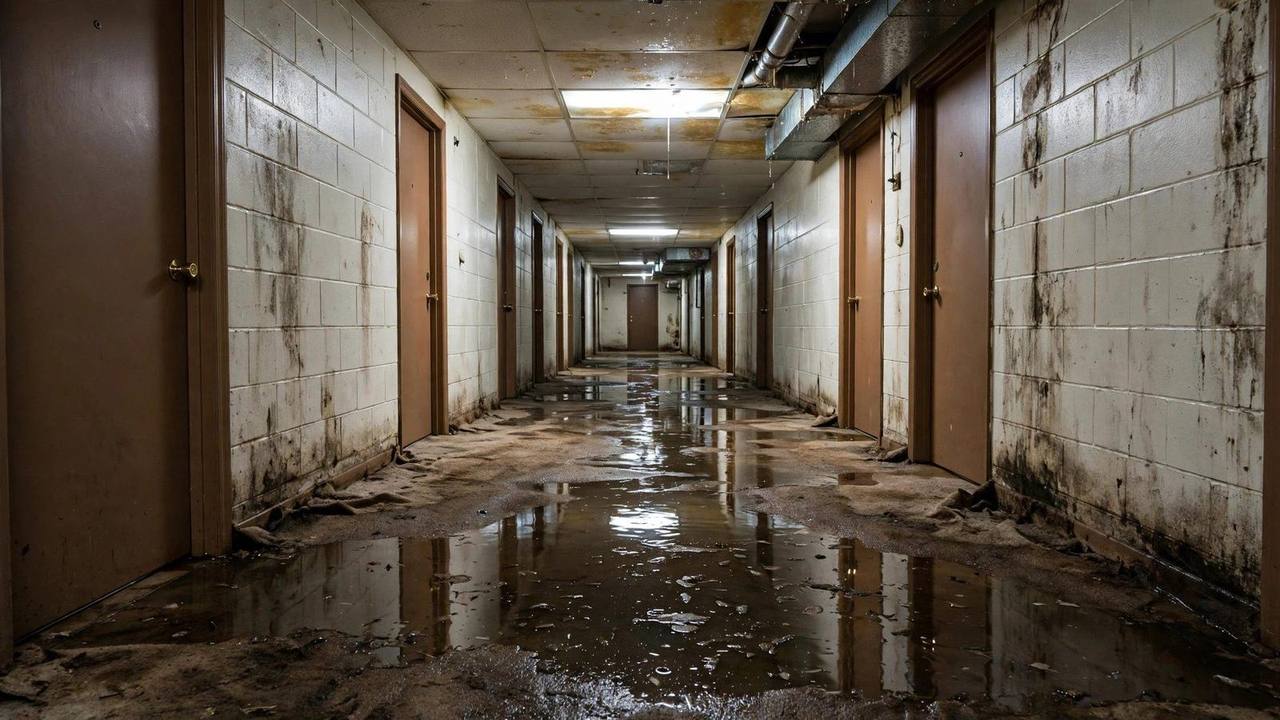
BASEMENT APARTMENT WATER DAMAGE • PLEASANT GROVE, UTAH
Basement Apartment & Rental Water Damage Cleanup in Pleasant Grove, UT
Basement apartments are part of everyday life in Pleasant Grove, and when water hits one, two households are affected at once. Our basement apartment water damage cleanup gets a crew dispatched immediately to extract the water, protect the tenant's belongings, dry the unit and document everything for both the landlord and the tenant. Burst pipes, window well floods, water heater failures and sewer backups are handled 24/7, so the unit is livable again as soon as possible.
Who Is Responsible for Water Damage in a Pleasant Grove Basement Apartment?
In most Pleasant Grove rentals, the landlord repairs and dries the unit, while the tenant's renters insurance covers their belongings, unless the tenant caused the damage.
That is the usual split, but the lease and the insurance policies decide the details. The landlord's homeowners or landlord policy typically covers the building: walls, floors, ceilings and built-in fixtures. A renters policy covers the tenant's furniture, clothing and electronics, and often pays for a place to stay if the unit cannot be lived in. If a tenant caused the leak, for example by leaving a bathtub running, the landlord's insurer may seek repayment from the tenant or the tenant's policy. This is general information, not legal advice. Check the lease and both policies.
Why Basement Apartment Floods Are So Common in Utah County
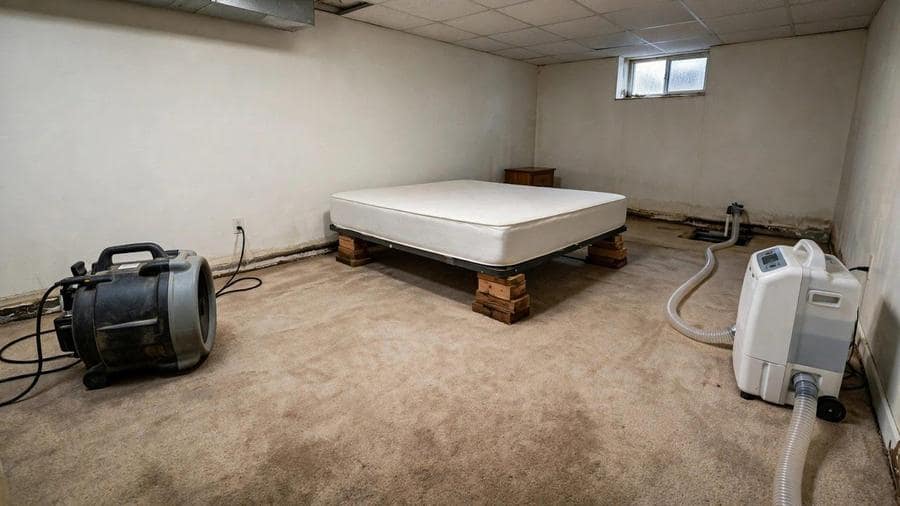
Utah law allows internal accessory dwelling units, such as basement apartments, in most single-family neighborhoods, and Pleasant Grove has many of them. These units share a few traits that make water damage more likely:
- They sit below grade, at the lowest point of the house where water collects
- Bedroom egress windows sit inside window wells that can flood
- They often share the main home's water heater, laundry and sewer line
- Plumbing from the kitchen and bathrooms upstairs runs through their ceiling
- A floor drain backup reaches the basement unit first
When something fails anywhere in the house, the basement apartment is usually where the water ends up.
Water in a rental unit right now? Call (385) 346-0377. A crew is dispatched immediately.
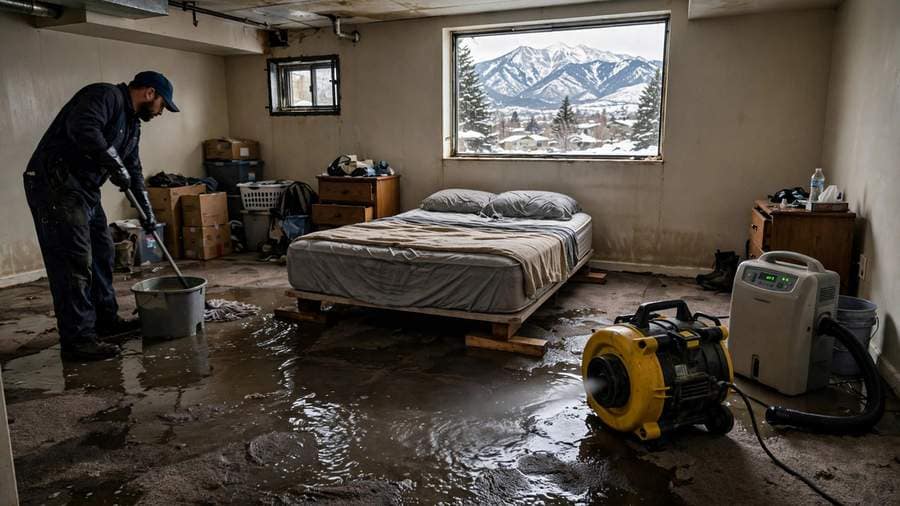
First Steps for Landlords
- Stop the water. Shut off the main valve, the water heater supply or the secondary water line, depending on the source.
- Make the unit safe. Turn off power to wet areas if it can be done safely.
- Call for emergency cleanup so drying starts the same day.
- Notify your insurer and keep the claim number.
- Talk with your tenant about whether they can stay, and remind them to contact their renters insurance.
- Keep records of the date, time, cause and every conversation.
First Steps for Tenants
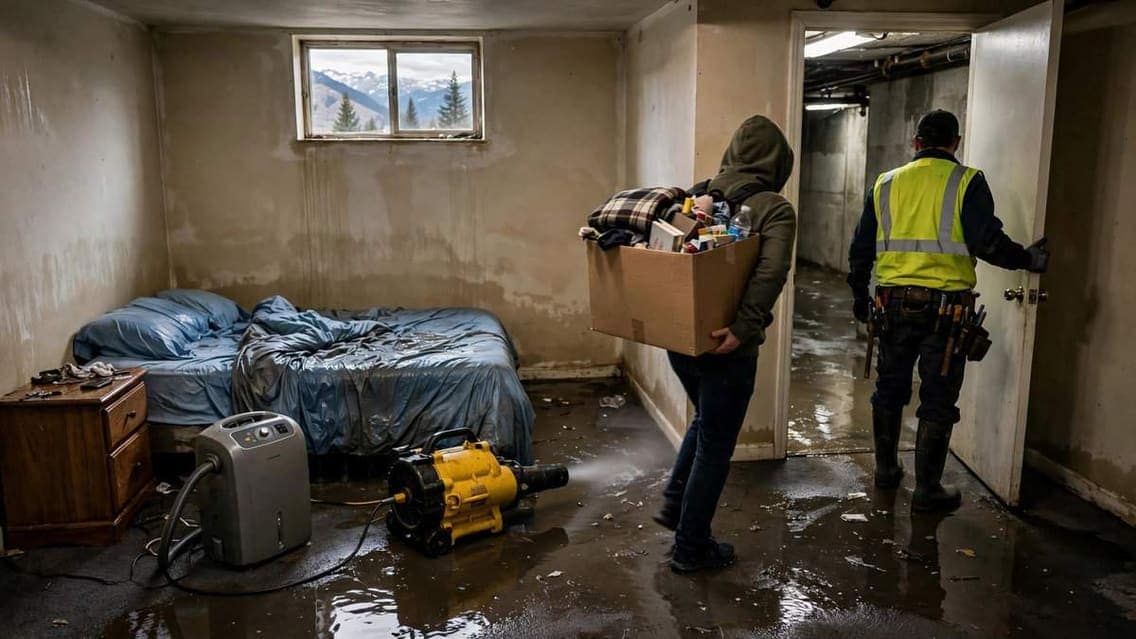
- Get to safety and stay out of standing water near outlets or cords.
- Tell your landlord right away, by phone and in writing, such as a text or email you can keep.
- Move your belongings out of the water if it is safe.
- Photograph everything that is wet or damaged before it is moved or thrown away.
- Call your renters insurance to start a claim for your belongings and any temporary housing.
- Do not throw away damaged items until they are photographed and listed.
Common Causes of Basement Rental Flooding
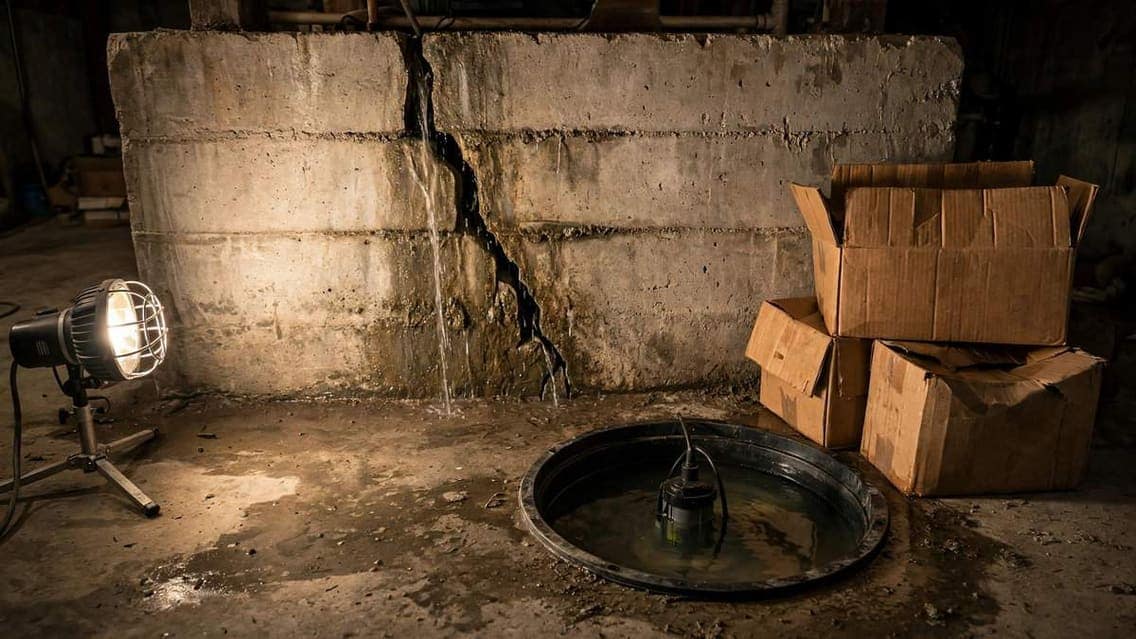
Window Wells Over Bedroom Egress Windows
Basement bedrooms need egress windows, and those sit inside window wells. A clogged well drain during rain or snowmelt sends water straight into the tenant's bedroom. See window well flooding.
Shared Water Heaters and Laundry
The water heater and washer for the whole house are often in or next to the basement unit. When a tank fails or a hose bursts, the apartment floods first. See water heater and appliance leak cleanup.
Plumbing From the Floor Above
A burst pipe, leaking shower or overflowing toilet upstairs drains down through the apartment's ceiling. See burst pipe water damage and bathroom and shower leak water damage.
Floor Drain Sewer Backups
When the sewer line clogs, sewage comes up through the lowest drain, which is often in the basement unit. See sewage backup cleanup.
Spring Snowmelt Seepage
Groundwater seeping through foundation walls in spring soaks the apartment's carpet and walls. See snowmelt basement flooding.
Utah Rental Rules Landlords and Tenants Should Know
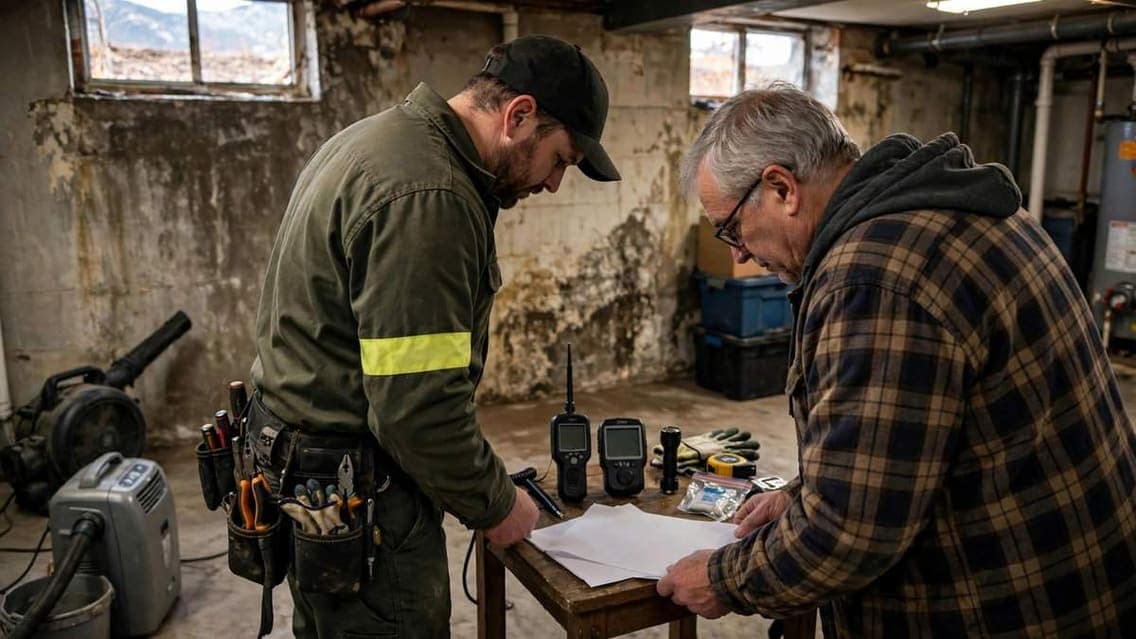
Utah's Fit Premises Act requires landlords to keep rental units safe, sanitary and fit to live in, and to fix serious problems within set timeframes after the tenant gives proper notice. Tenants are expected to keep the unit clean, avoid causing damage and report problems promptly. The lease may add more specific rules about notice, repairs and who pays. When in doubt, a Utah landlord-tenant attorney or a local tenant resource can explain your rights.
Protecting the Tenant's Belongings
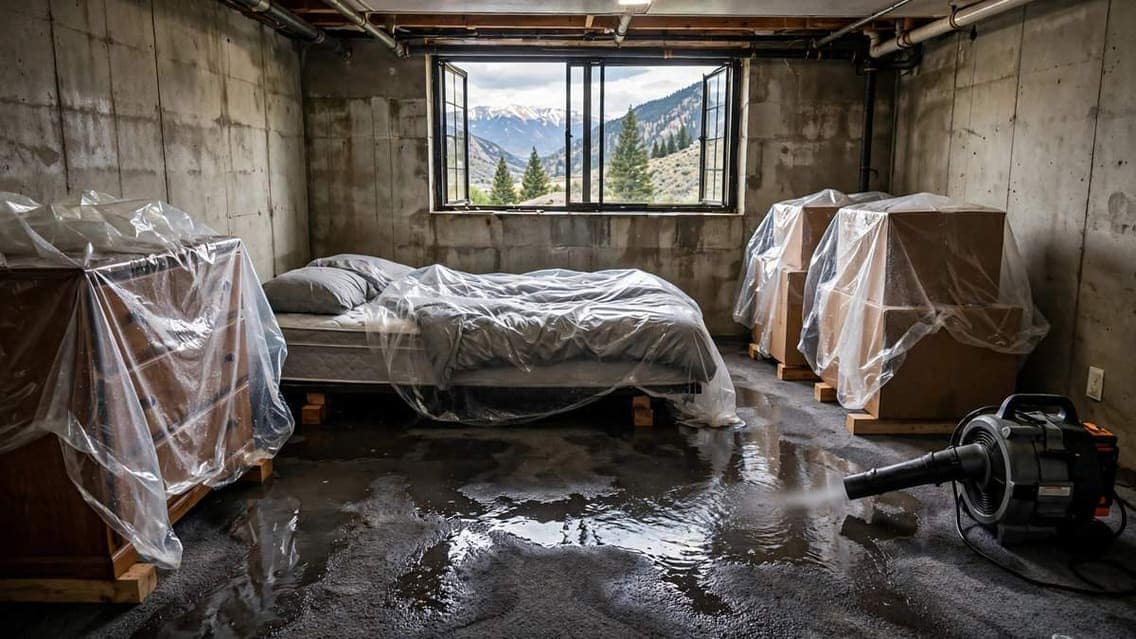
A tenant's belongings are often the first thing the water reaches. During cleanup, items are moved out of the wet area, photographed and listed so both the tenant and their insurer have a clear record.
- Usually saved: Hard furniture, plastic bins, dishes, many electronics that stayed above the water
- Often cleaned or dried: Clothing, bedding and some soft furniture after a clean-water leak
- Usually discarded: Mattresses, upholstered furniture, paper and boxes soaked by sewage or water that sat for days
Can Tenants Stay During Drying?
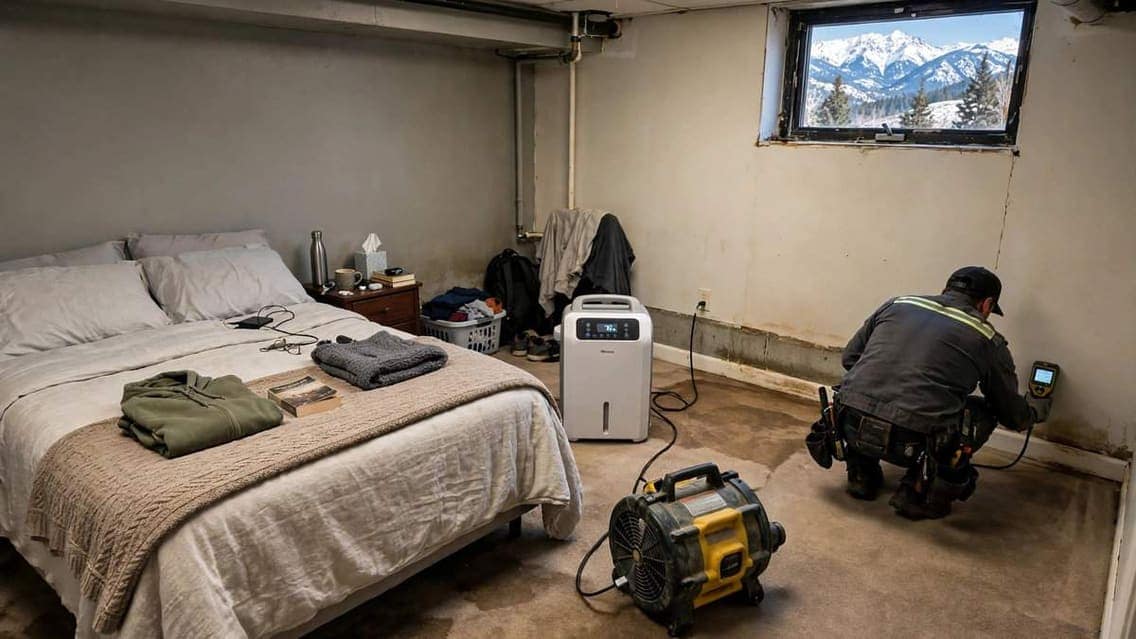
Sometimes. Tenants can often stay if the damage is limited, the unit still has a working bathroom and kitchen, and the water was clean. Staying elsewhere is usually needed when the water was sewage, when power must be off, when the only bathroom is affected or when drying equipment fills the living space. Renters insurance often covers temporary housing under loss of use coverage.
Our Basement Apartment Cleanup Process
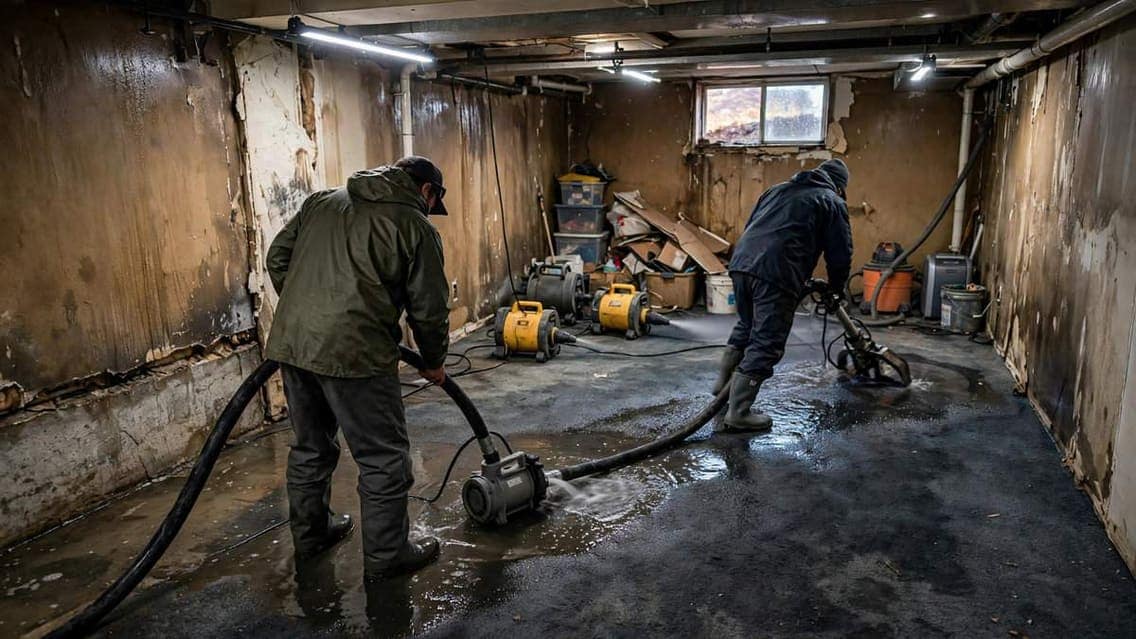
- Emergency call: You call (385) 346-0377 and a crew is dispatched immediately.
- Safety and source: The water source is confirmed stopped and power is checked.
- Belongings first: The tenant's items are moved out of the water and photographed.
- Extraction: Water is removed from carpet and floors. See emergency water extraction.
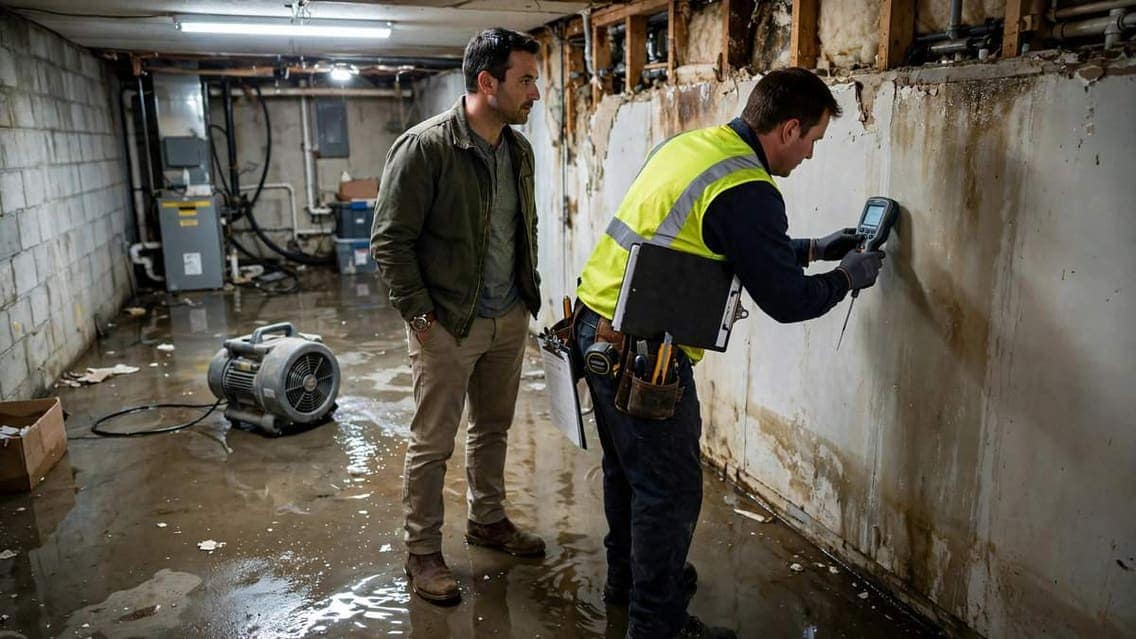
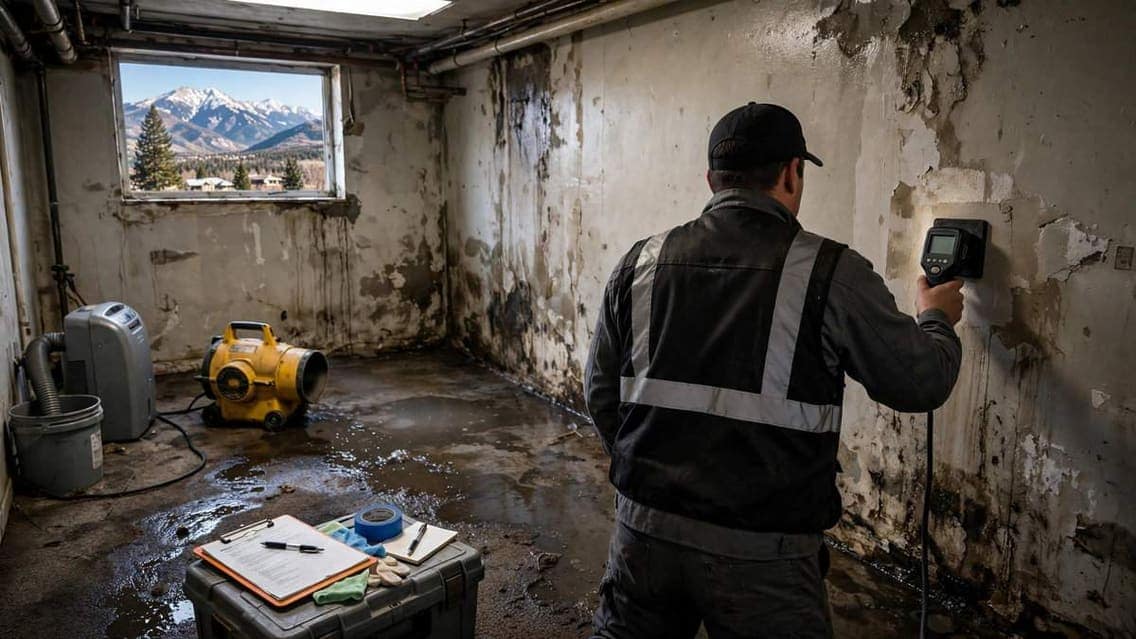
- Moisture mapping: The unit and the rooms around it are checked with meters and thermal imaging.
- Removal and cleaning: Pad, drywall and insulation that cannot be dried are removed and the area is cleaned.
- Drying: Dehumidifiers and air movers run until the unit reaches a dry standard. Learn about water mitigation.
- Two sets of records: Documentation is organized so the landlord's claim and the tenant's claim each have what they need.
Mold in Basement Rentals
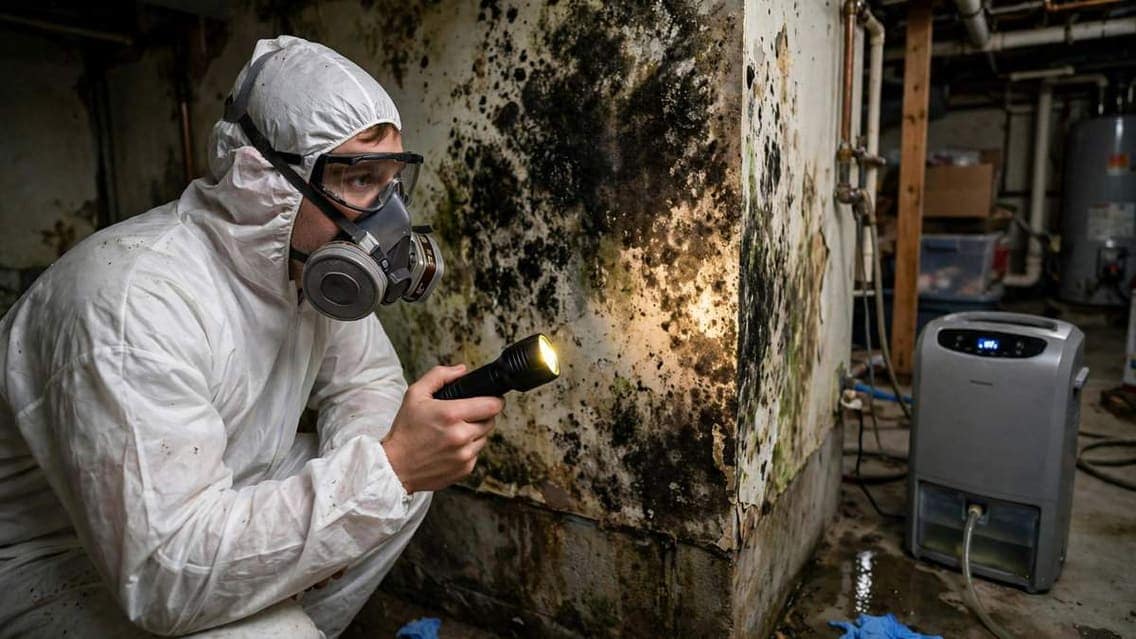
Basement units stay cool, and when water is not dried fully, mold can start within 24 to 48 hours. Mold in a rental affects the tenant's health and the landlord's property, so the unit should be dried and checked before anyone moves back in. See mold remediation.
Preventing Water Damage in a Basement Rental
- Install leak sensors near the water heater, washer and under sinks
- Add window well covers and clean the drains every fall
- Put a drain pan under the water heater
- Show tenants where the main water shutoff and breaker panel are
- Require renters insurance in the lease
- Inspect the unit for small leaks at least once a year
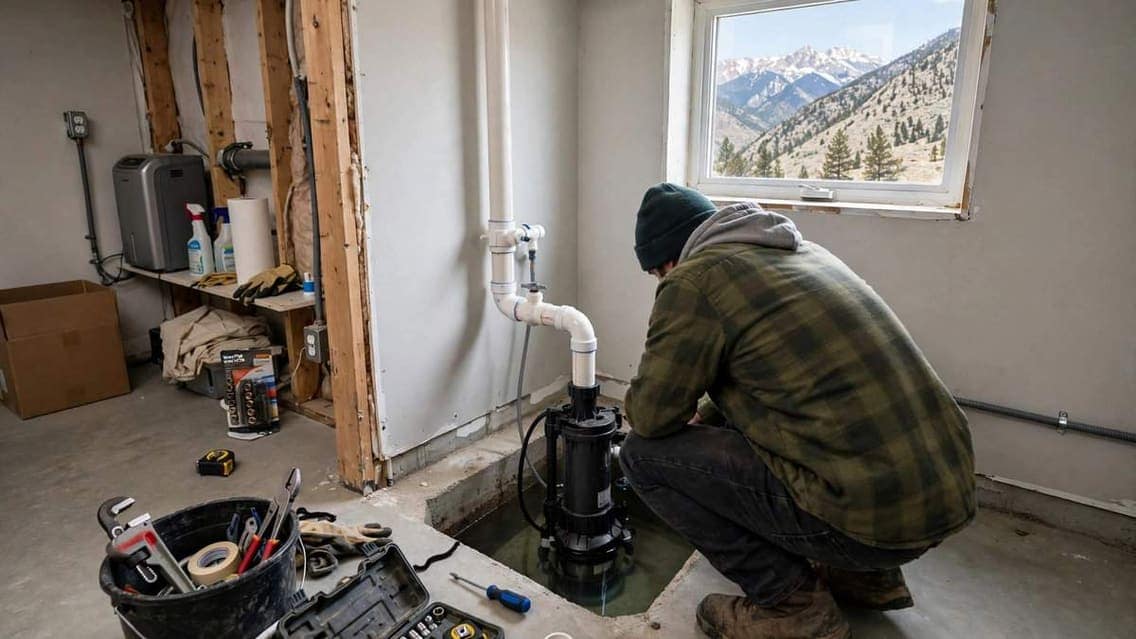
- Test the sump pump before spring if the home has one
Basement Apartment Water Damage Cost in Pleasant Grove
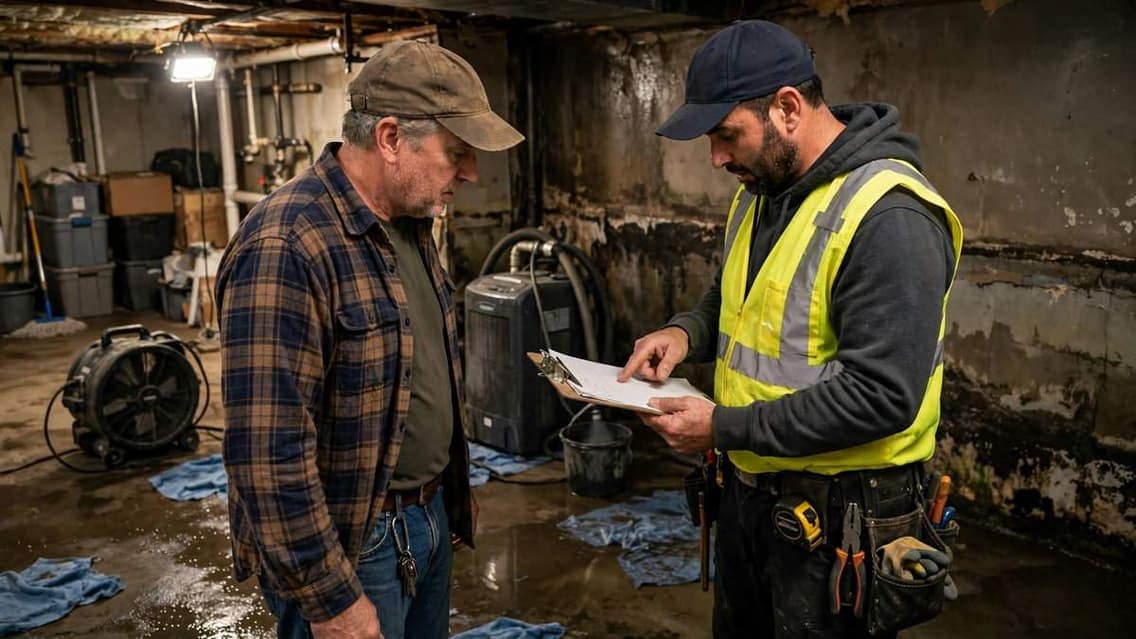
Rental water damage cleanup in Pleasant Grove usually costs between $2,000 and $10,000 for a basement apartment, depending on the size of the unit, the water category and how much carpet, drywall and insulation must be removed. See the water damage restoration cost guide.
Basement Apartment Water Damage FAQs
Does renters insurance cover water damage?
Renters insurance usually covers the tenant's belongings when they are damaged by a sudden water event, such as a burst pipe. It often also pays for temporary housing if the unit cannot be lived in. It does not cover the building itself, which is the landlord's responsibility.
Does the landlord have to pay for a hotel?
Not always. Many leases do not require it. A tenant's renters insurance often covers temporary housing under loss of use. Some landlords offer rent reductions or move the tenant while the unit is repaired. Check the lease and both insurance policies.
Can a landlord charge a tenant for water damage?
If the tenant caused the damage through misuse or negligence, the landlord or their insurer may seek repayment. If the damage came from a failed pipe, appliance or other building issue, the tenant is usually not responsible.
How fast does a Utah landlord have to fix water damage?
Utah's Fit Premises Act sets timeframes for landlords to fix serious problems after the tenant gives proper written notice. Emergency water damage should be addressed right away so the unit stays safe and the damage does not spread.
Who should call the restoration company, the landlord or the tenant?
Usually the landlord, because they own the building and file the property claim. In an emergency, either can call to get the water stopped and drying started. The tenant should notify the landlord in writing as soon as possible.
Can the tenant stay in the unit while it dries?
Often yes, if the water was clean, the bathroom and kitchen still work and the equipment leaves enough living space. After a sewage backup or major flood, staying elsewhere is safer until cleanup is finished.
Get 24/7 Rental Water Damage Help in Pleasant Grove, UT
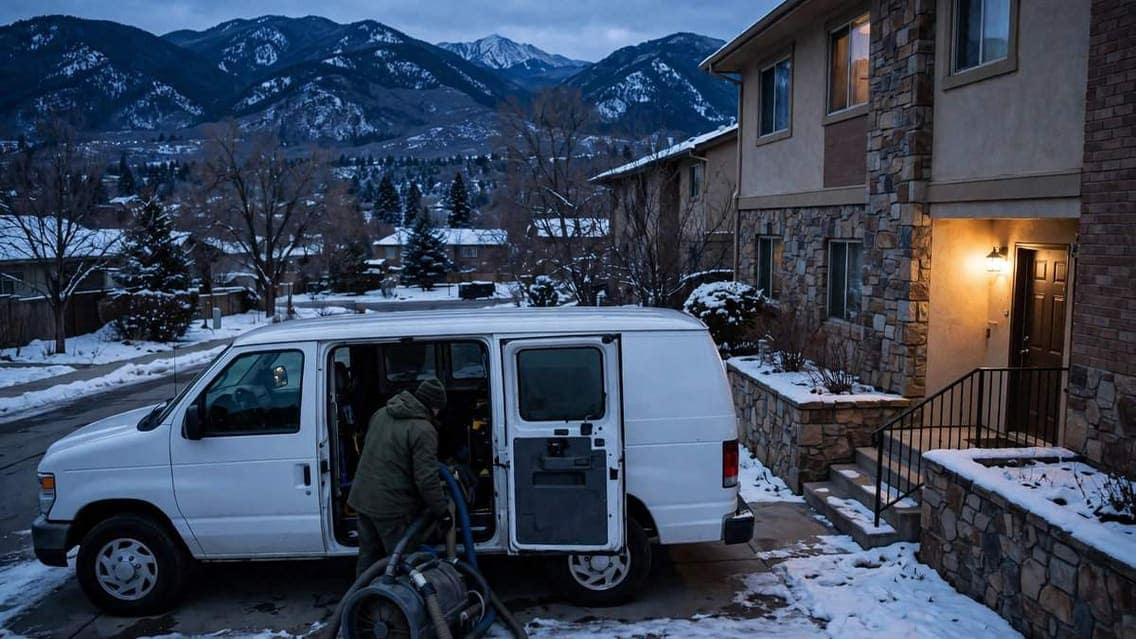
Fast cleanup protects the landlord's property and the tenant's home. For basement apartment water damage, a basement apartment flood in Pleasant Grove, rental water damage in Pleasant Grove, UT, and landlord water damage cleanup across Lindon, Alpine, Vineyard and American Fork, a crew is dispatched immediately.
Call (385) 346-0377 now for a basement apartment flood in Pleasant Grove or rental water damage in Pleasant Grove, UT. A crew is dispatched immediately.
Call (385) 346-0377 now for water damage Pleasant Grove 84062 help. A crew is dispatched immediately.
(385) 346-0377Get 24/7 Emergency Water Damage Help in Pleasant Grove, UT
Call (385) 346-0377 now for water damage Pleasant Grove 84062 help. A crew is dispatched immediately.