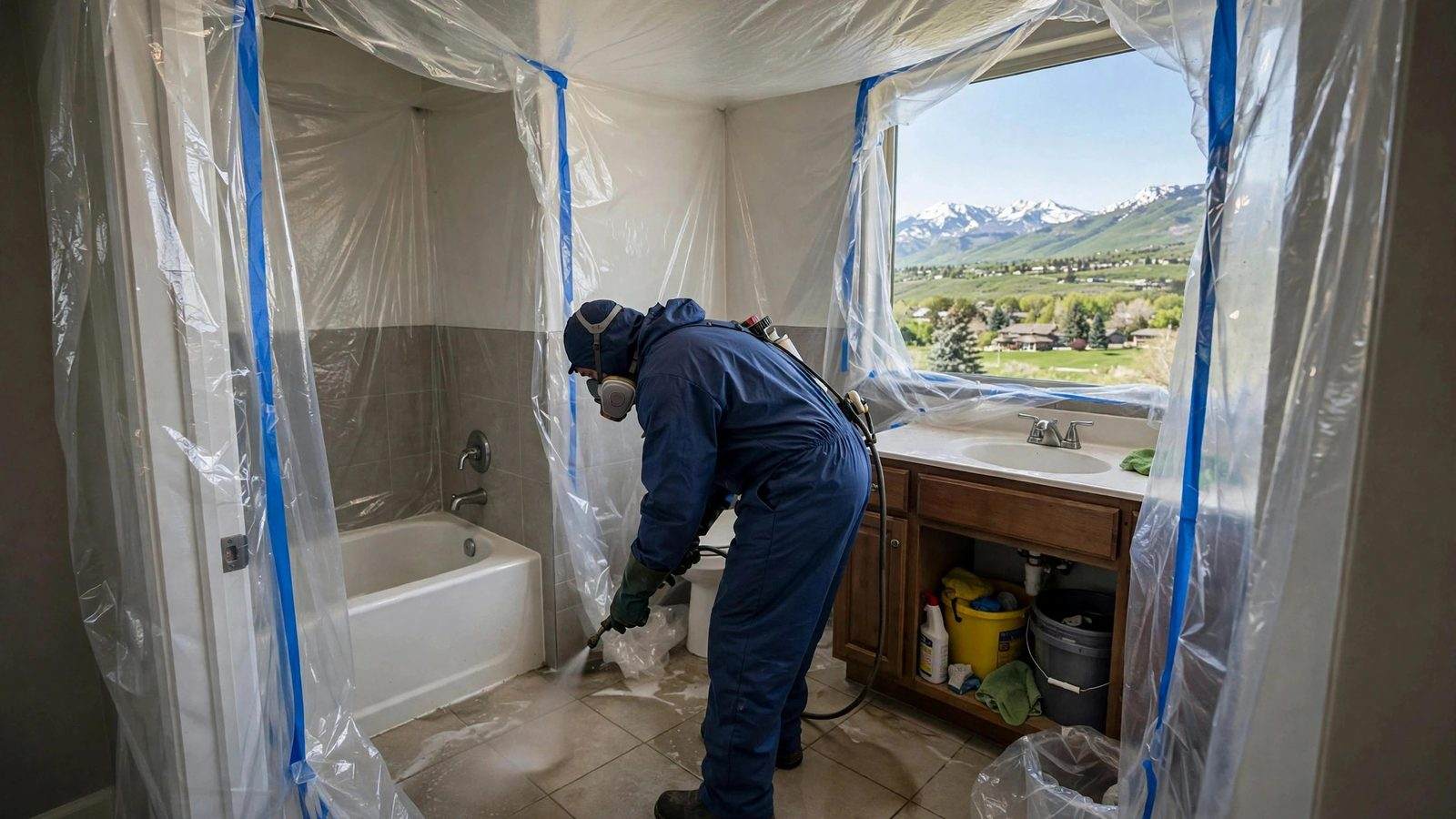
SEWAGE BACKUP CLEANUP • PLEASANT GROVE, UTAH
Emergency Sewage Backup Cleanup in Pleasant Grove, UT
Sewage in your home is a health emergency, not a cleaning job. Our sewage backup cleanup in Pleasant Grove gets a crew dispatched immediately in full protective gear to extract the Category 3 water, remove contaminated materials, disinfect every surface and remove the odor at its source. Basement floor drain backups, overflowing toilets, root-blocked sewer lines and main line clogs are handled day or night, so your family can get back into a home that is safe.
Is a Sewage Backup in Your Pleasant Grove Home Dangerous?
Yes. Sewage is Category 3 water that carries bacteria, viruses and parasites. Contact can cause illness, so keep people and pets away and let trained crews handle the cleanup.
The risk is not only the water you can see. Sewage soaks into carpet, pad, drywall and wood, and it releases odors and airborne contaminants as it sits. Children, older adults, pregnant women and anyone with a weak immune system or breathing problems are most at risk. Every hour it sits, more material becomes contaminated and has to be removed.
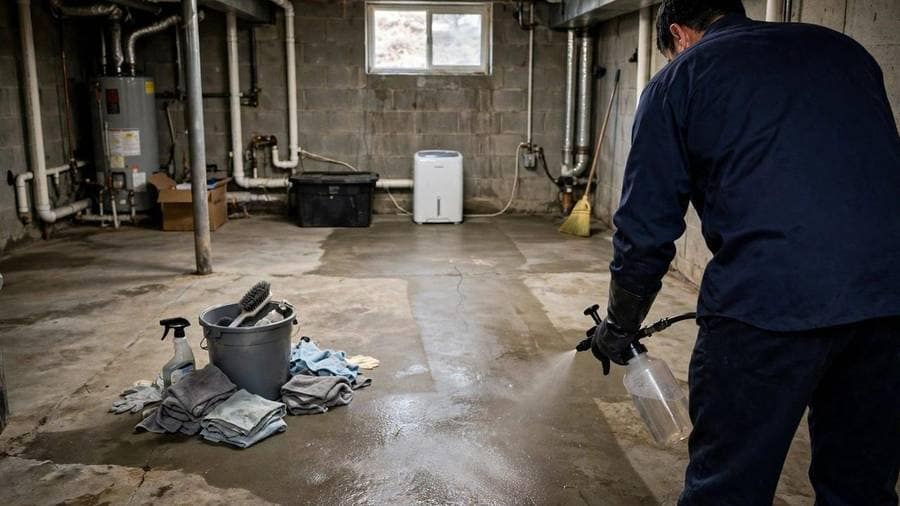
What to Do in the First Hour of a Sewage Backup
Do:
- Keep children and pets out of the affected area
- Stop using every sink, toilet, shower, washer and dishwasher in the house
- Turn off power to the affected area if you can reach the breaker safely
- Open a window upstairs for fresh air if weather allows
- Take photos and video of the water and damaged items
- Call for emergency sewage cleanup right away
Don't:
- Walk through the water without boots and gloves
- Use a household vacuum or shop vac on sewage
- Try to save soaked carpet, pad or upholstered furniture
- Pour bleach into the water and assume it is safe
- Turn on fans or the furnace, which can spread contaminants
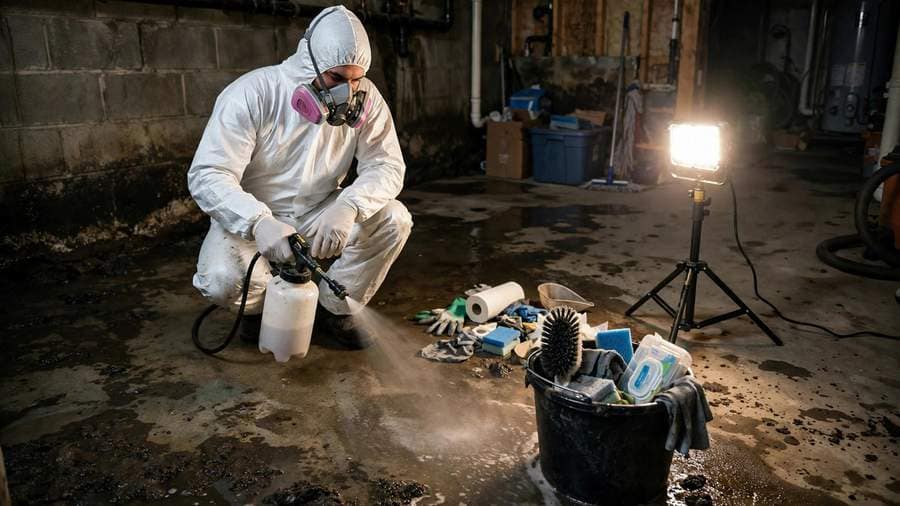
What Causes Sewer Backups in Pleasant Grove Homes?
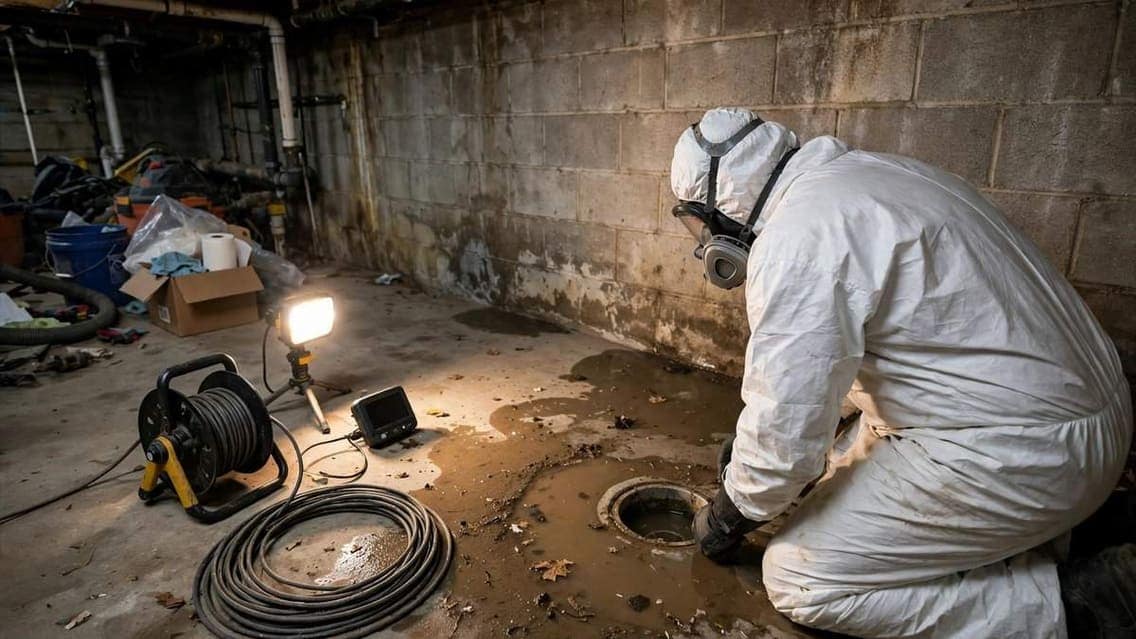
Most sewer backups in Pleasant Grove come from a blockage in the line between the house and the city main. The water has nowhere to go, so it comes up through the lowest drain, usually a basement floor drain or toilet.
Mature Tree Roots in Older Sewer Lines
Pleasant Grove is known as Utah's City of Trees, and mature cottonwoods, maples and old orchard trees send roots toward sewer lines looking for water. In older homes with clay or cast-iron laterals, roots work into joints and cracks, then grow until they block the pipe.
Shifting Clay Soils
On the west side of town, clay soils swell when wet and shrink when dry. Over the years that movement can crack, sag or separate sewer lines, creating low spots where waste collects and blocks the flow.
Grease, Wipes and Flushable Products
Cooking grease hardens inside pipes, and wipes labeled flushable do not break down like toilet paper. Together they build clogs that eventually stop the line completely.
City Main Line Blockages
Sometimes the problem is in the city's main line, not your lateral. If several neighbors have backups at the same time, the main is the likely cause.
Heavy Rain and Snowmelt
During heavy storms and spring runoff, groundwater can seep into cracked sewer lines and overload the system, pushing water back into basements.
Is It Your Sewer Line or the City's?
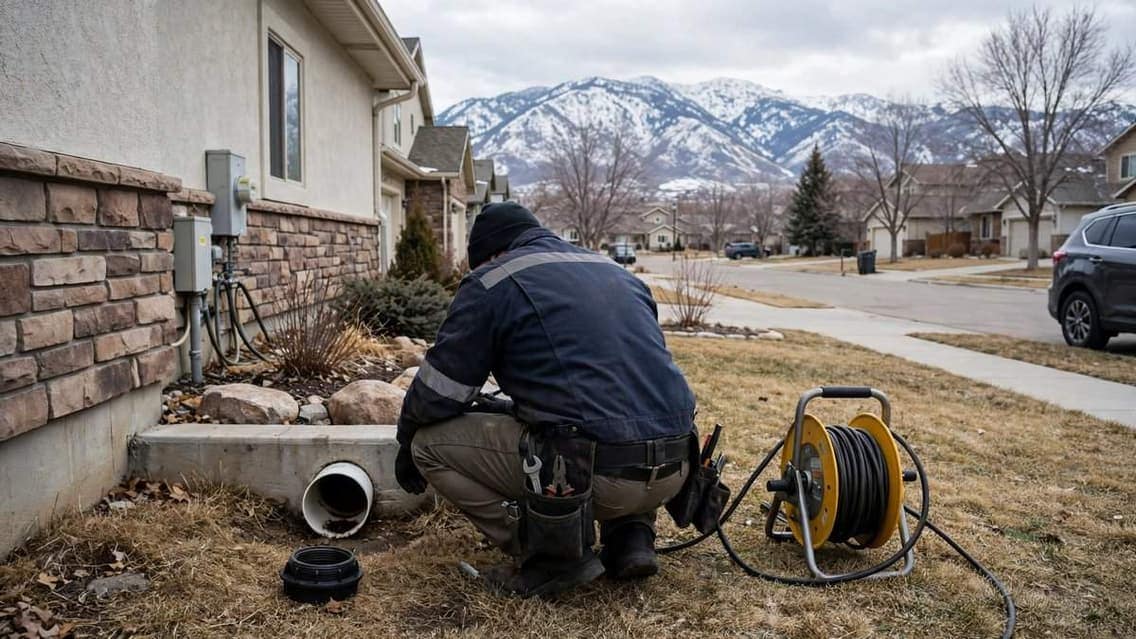
In most Utah cities, the homeowner is responsible for the sewer lateral that runs from the house to the connection at the city main. The city is responsible for the main line in the street.
If only your home is affected, the blockage is most likely in your lateral, and a plumber or drain specialist will need to clear it and may run a camera to find the cause. If neighbors are backing up too, call Pleasant Grove City right away. Either way, the cleanup inside your home should start immediately.
Our Category 3 Sewage Cleanup Process
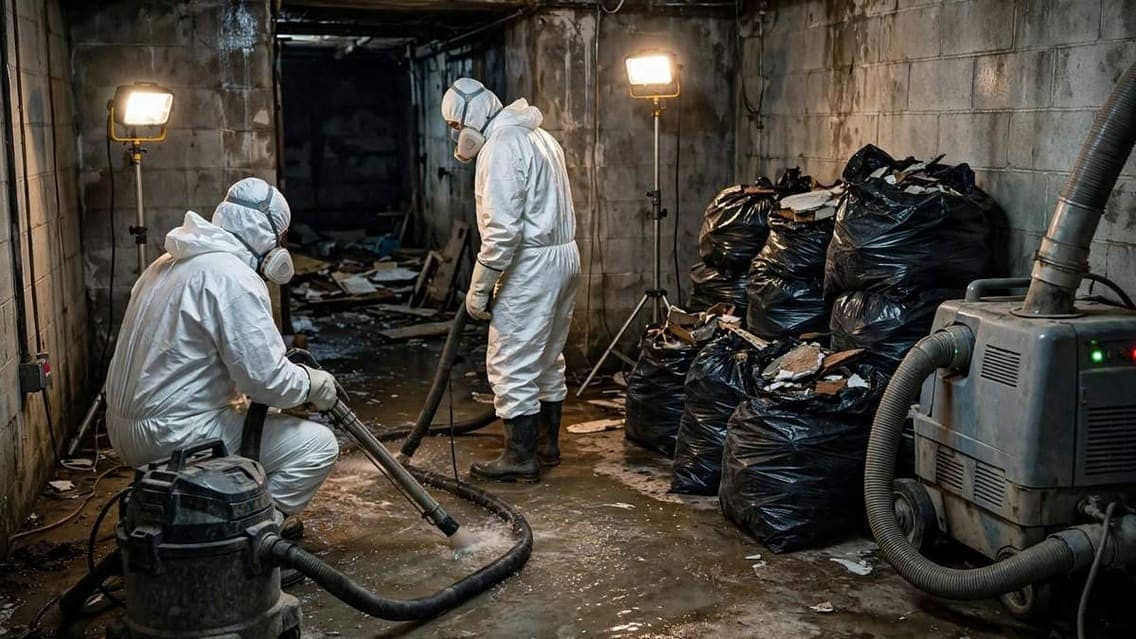
- Emergency response: You call (385) 346-0377 and a crew is dispatched immediately with protective equipment.
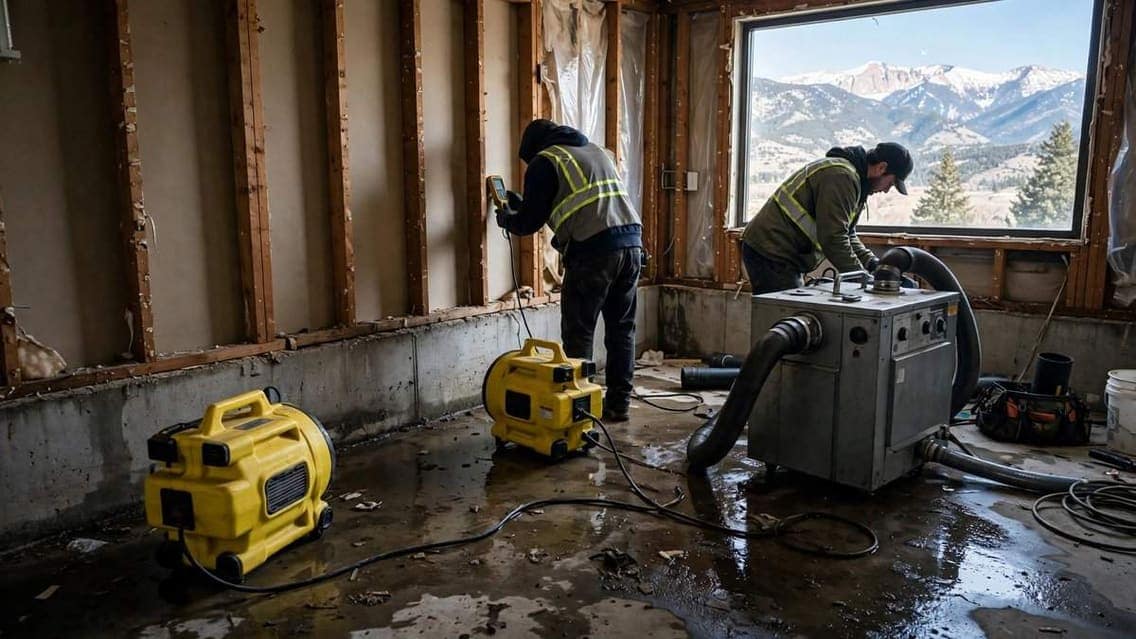
- Containment: The area is sealed off with plastic sheeting and negative air to keep contaminants from spreading to the rest of the home.
- Extraction: Sewage is pumped and extracted into sealed containers for proper disposal.
- Removal: Contaminated carpet, pad, drywall, insulation and baseboards are documented and removed.
- Cleaning: Every surface the water touched is scrubbed and cleaned, including framing and concrete.
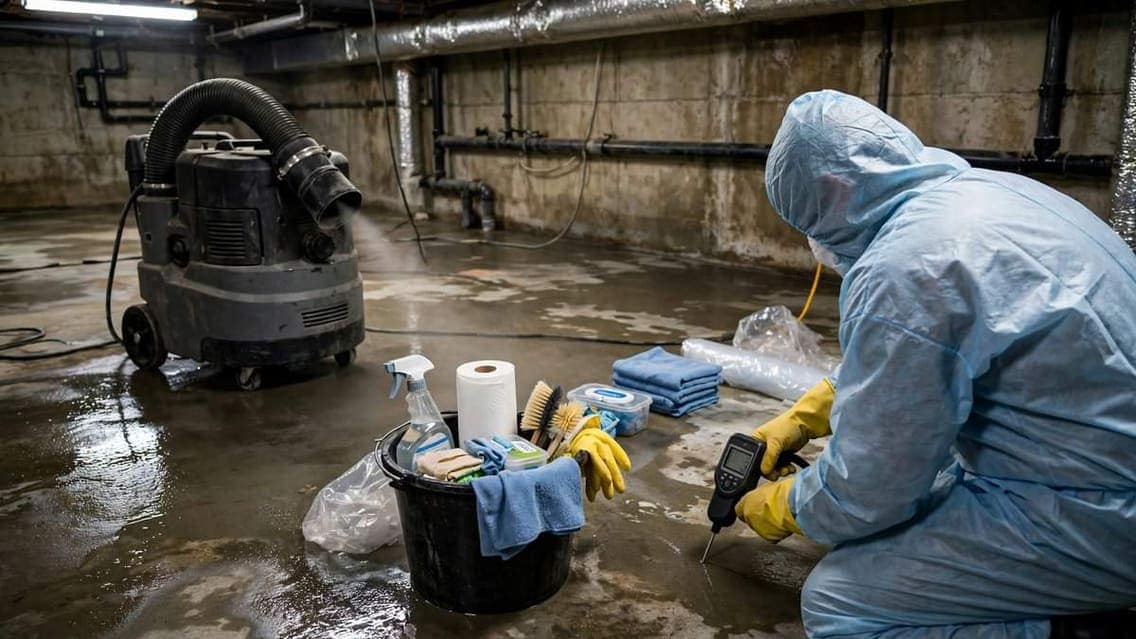
- Disinfection: EPA-registered antimicrobial products are applied to kill bacteria and viruses.
- Drying: LGR dehumidifiers and air movers dry the structure to a measured dry standard.
- Odor control: HEPA air scrubbers and odor treatment remove the smell at its source.
- Final check: The area is inspected before anything is rebuilt or closed up.
What Has to Be Thrown Away and What Can Be Cleaned?
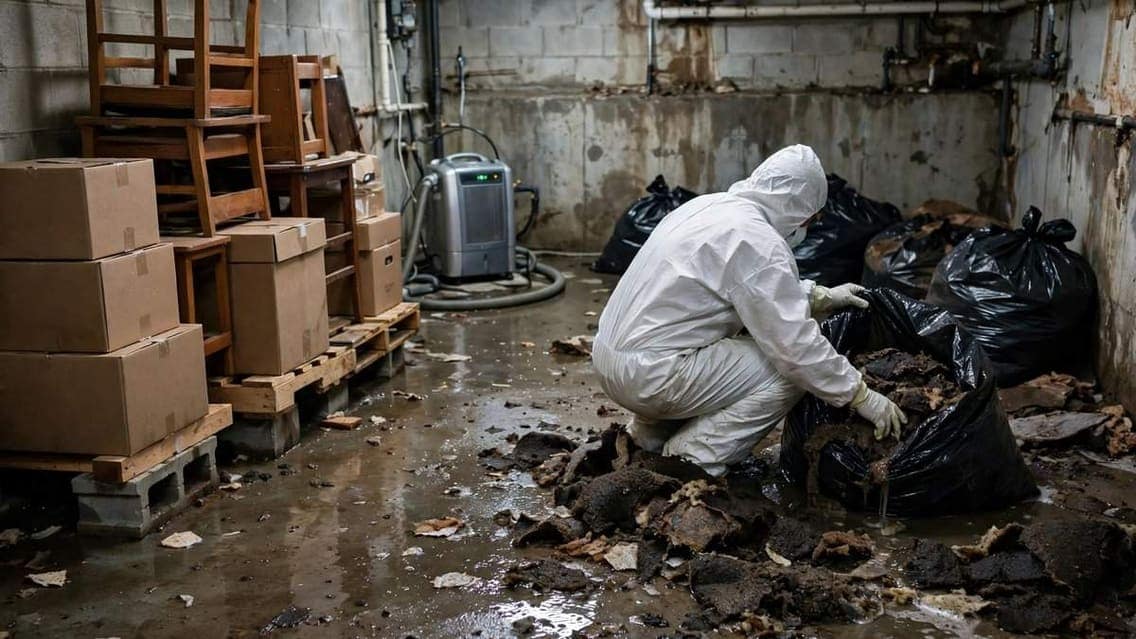
Under the IICRC S500 standard, porous materials touched by Category 3 water are removed because they cannot be reliably disinfected.
Usually removed:
- Carpet and carpet pad
- Drywall up to above the water line
- Wet insulation
- Particleboard cabinets and baseboards
- Upholstered furniture, mattresses and stuffed items
- Cardboard boxes, paper and books
- Food, medicine and cosmetics that were exposed
Often cleaned and kept:
- Concrete floors and foundation walls
- Wood framing and studs
- Tile, metal and glass items
- Solid wood furniture, depending on exposure time
- Hard plastic storage bins
Everything removed is photographed and listed for your insurance claim.
How Sewage Odor Is Removed
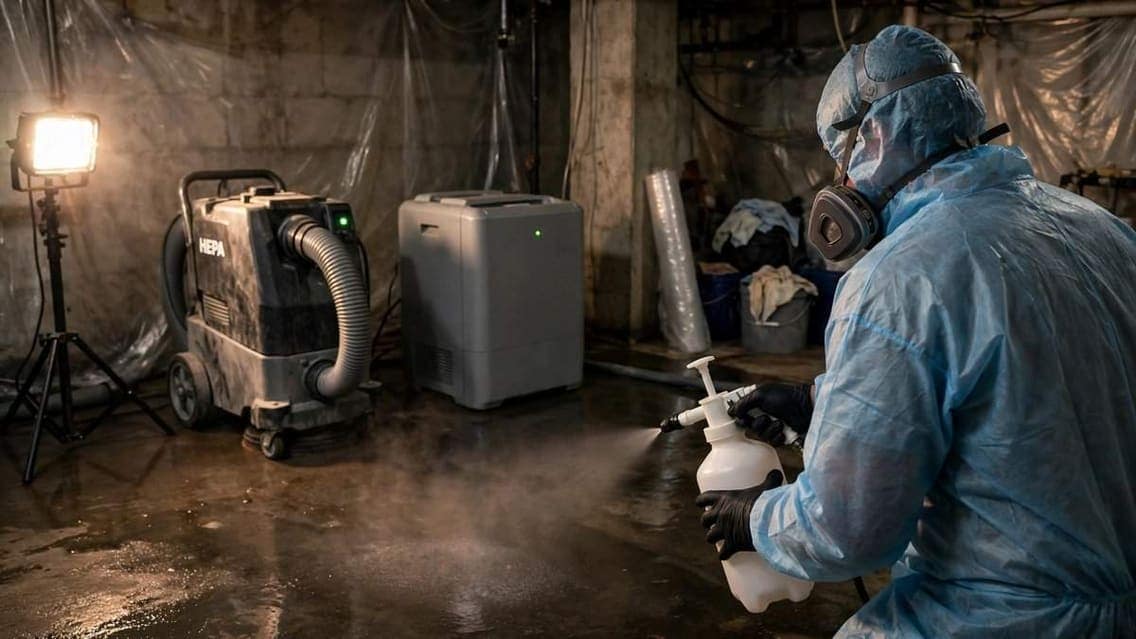
The smell from a sewer backup comes from contaminated materials and residue, so masking it with air fresheners does not work. Odor is removed by taking out every contaminated porous material, cleaning and disinfecting every surface, drying the structure fully and running HEPA air scrubbers. In some cases a hydroxyl or ozone treatment is used once the area is empty. If the smell comes back, something contaminated is still in place.
Toilet Overflows: When Is It Sewage?
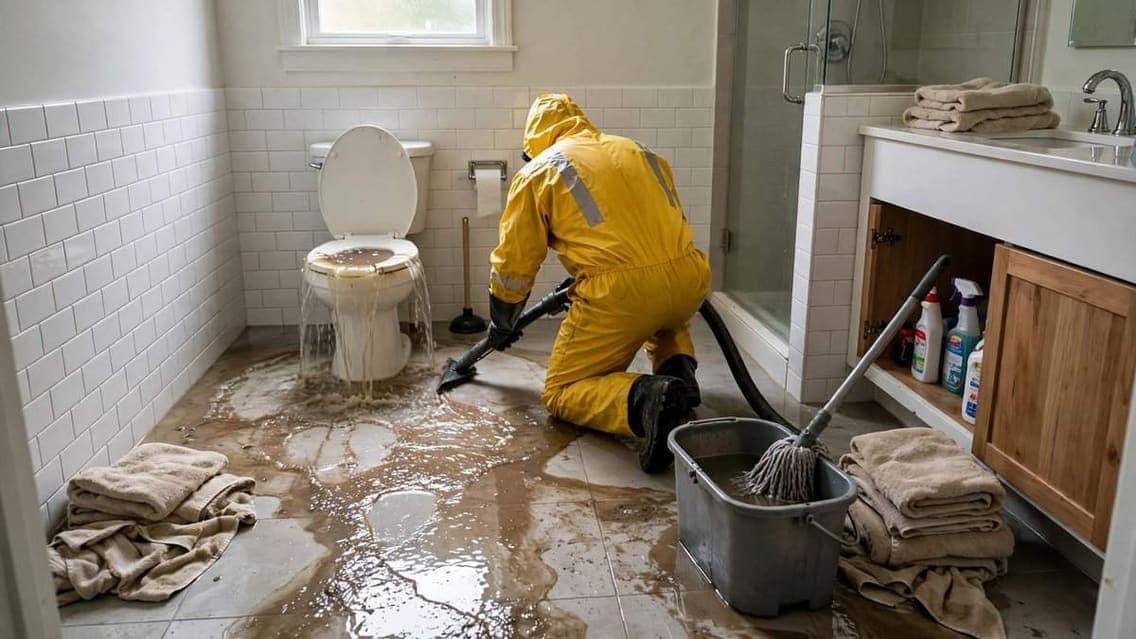
Not every toilet overflow is Category 3. Water from the tank or a clean bowl is usually Category 2. Water that contains feces, or that comes up from the drain, is Category 3 and needs full sewage protocols. Toilet overflow cleanup from an upstairs bathroom also leaks into the ceiling and walls below, so those areas need to be opened and checked. See bathroom and shower leak water damage and ceiling water damage repair.
Does Homeowners Insurance Cover Sewer Backup in Utah?
Standard homeowners policies often exclude sewer backup unless you added a sewer or water backup endorsement. With that endorsement, cleanup and repairs are usually covered up to the endorsement limit.
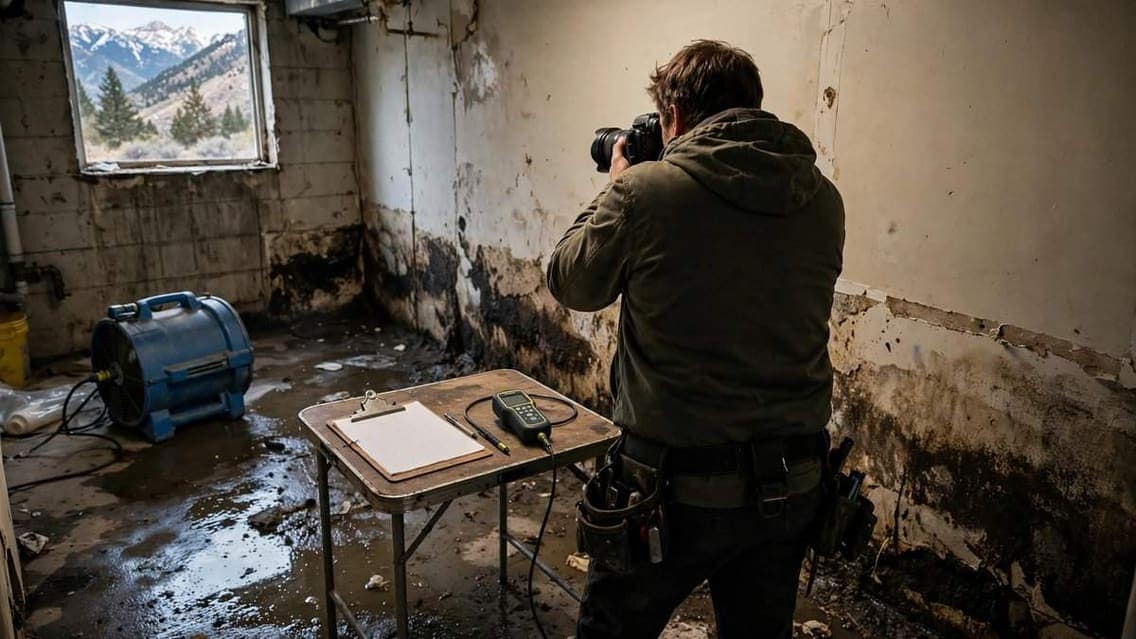
Check your policy before you need it. If you have had one backup, the endorsement is worth adding. The photos, containment records and cleaning documentation from the job support your claim. Read the guide to water damage insurance claims.
How to Prevent Another Sewer Backup
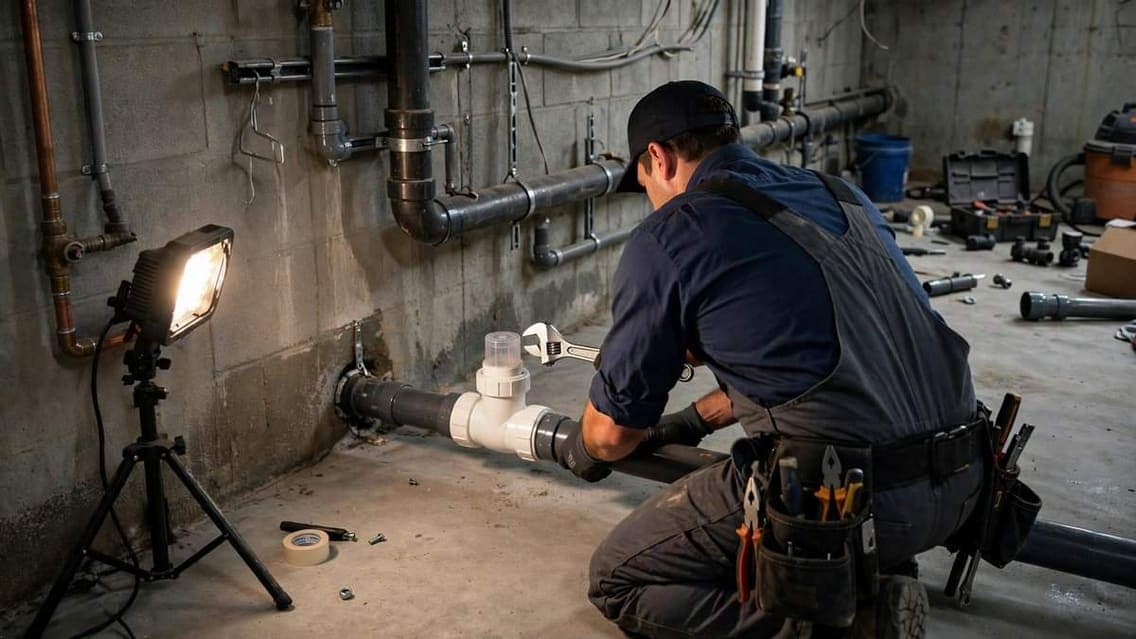
- Have the sewer lateral camera-inspected if your home is older or has large trees nearby
- Clear roots from the line on a regular schedule if they have caused problems before
- Ask a plumber about installing a backwater valve on the main line
- Never pour grease or oil down the drain
- Only flush toilet paper, not wipes or other products
- Keep a floor drain plug or check valve in basement drains
Sewage Cleanup Cost in Pleasant Grove
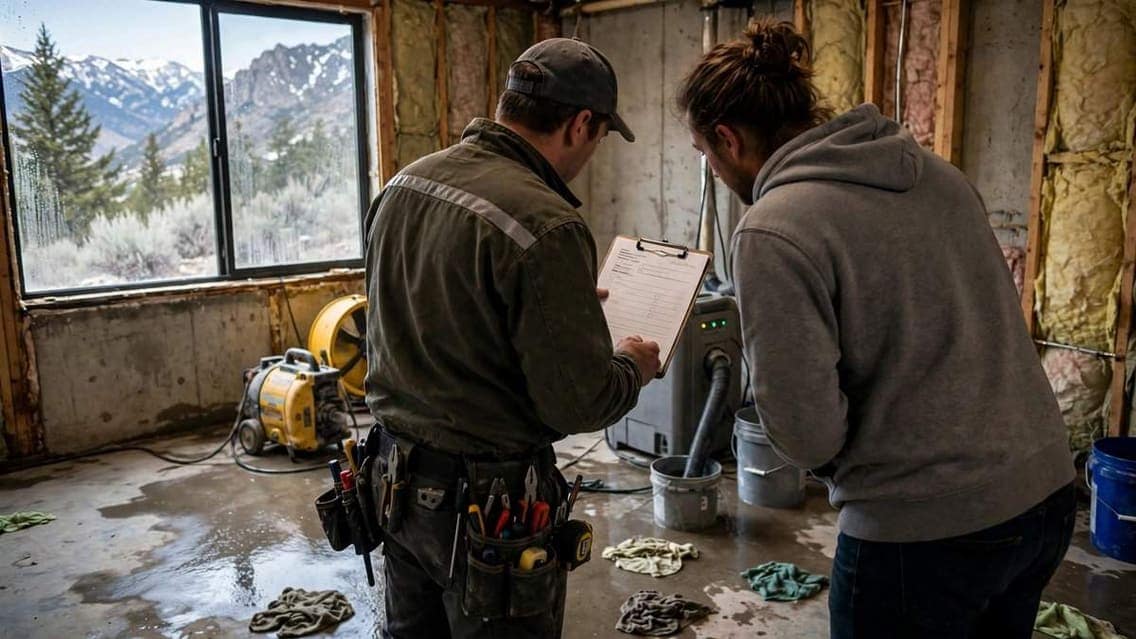
Sewage cleanup in Pleasant Grove usually costs between $3,000 and $10,000 for a typical basement backup. A large finished basement with carpet, drywall and bedrooms can range from $10,000 to $25,000 or more.
The price depends on how much area was affected, how long the sewage sat, how much material must be removed, and the drying and odor work needed. See the water damage restoration cost guide.
Related Services in Pleasant Grove
- Flooded basement cleanup for full basements
- Emergency water extraction for large volumes of water
- Mold remediation if sewage sat for more than a day or two
- Basement apartment water damage for landlords and tenants
Sewage Backup Cleanup FAQs
Can I clean up a sewage backup myself?
For a small overflow of clean toilet water on tile, careful cleaning with gloves and disinfectant may be enough. For sewage on carpet, drywall or in a basement, professional black water cleanup is the safe choice. Contaminated materials must be removed and the area disinfected to protect your family's health.
Can I stay in my home during sewage cleanup?
Often yes, if the affected area can be sealed off and you have a working bathroom elsewhere. If the backup affects your only bathroom, or if anyone in the home is vulnerable to illness, staying elsewhere until cleanup is done is safer.
Can carpet be saved after a sewer backup in the basement?
No. Carpet and pad soaked by a sewer backup in basement rooms are removed and replaced, because sewage cannot be reliably removed from the fibers and backing. Hard surfaces underneath can be cleaned, disinfected and kept.
How long does sewage cleanup take?
Most sewage cleanups take three to five days, including extraction, removal, disinfection and drying. Larger basements or backups that sat longer can take a week or more before repairs begin.
Will the sewage smell come back?
Not if every contaminated material is removed and the area is fully cleaned, disinfected and dried. A returning smell means something contaminated is still in place, such as pad under a wall or insulation behind drywall.
Should I call a plumber or a cleanup company first?
Call both. A plumber or drain specialist clears the blockage so the backup stops. A cleanup crew removes the sewage and disinfects your home. Stop using all water in the house until the line is cleared.
Get 24/7 Sewage Cleanup in Pleasant Grove, UT
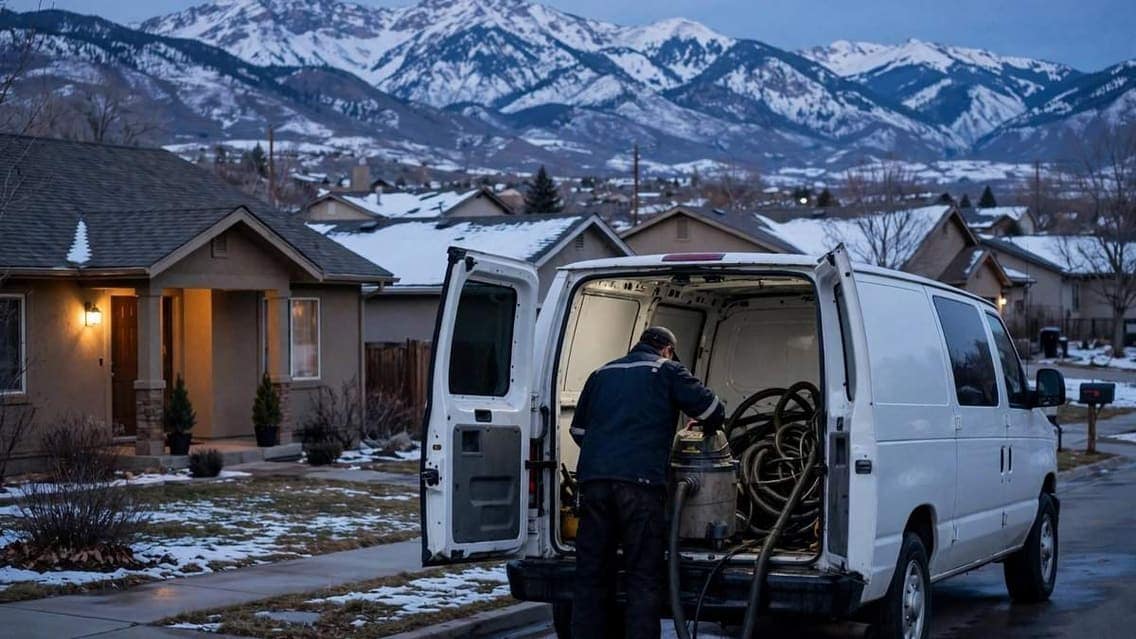
Sewage only gets worse the longer it sits. For sewage backup cleanup in Pleasant Grove, sewer backup basement emergencies in Pleasant Grove, UT, and sewage cleanup across Lindon, Alpine, Vineyard and American Fork, a crew in full protective gear is dispatched immediately.
Call (385) 346-0377 now for sewage cleanup or a sewer backup basement emergency in Pleasant Grove, UT. A crew is dispatched immediately.
Call (385) 346-0377 now for water damage Pleasant Grove 84062 help. A crew is dispatched immediately.
(385) 346-0377Get 24/7 Emergency Water Damage Help in Pleasant Grove, UT
Call (385) 346-0377 now for water damage Pleasant Grove 84062 help. A crew is dispatched immediately.