MOLD REMEDIATION • PLEASANT GROVE, UTAH
Professional Mold Remediation in Pleasant Grove, UT
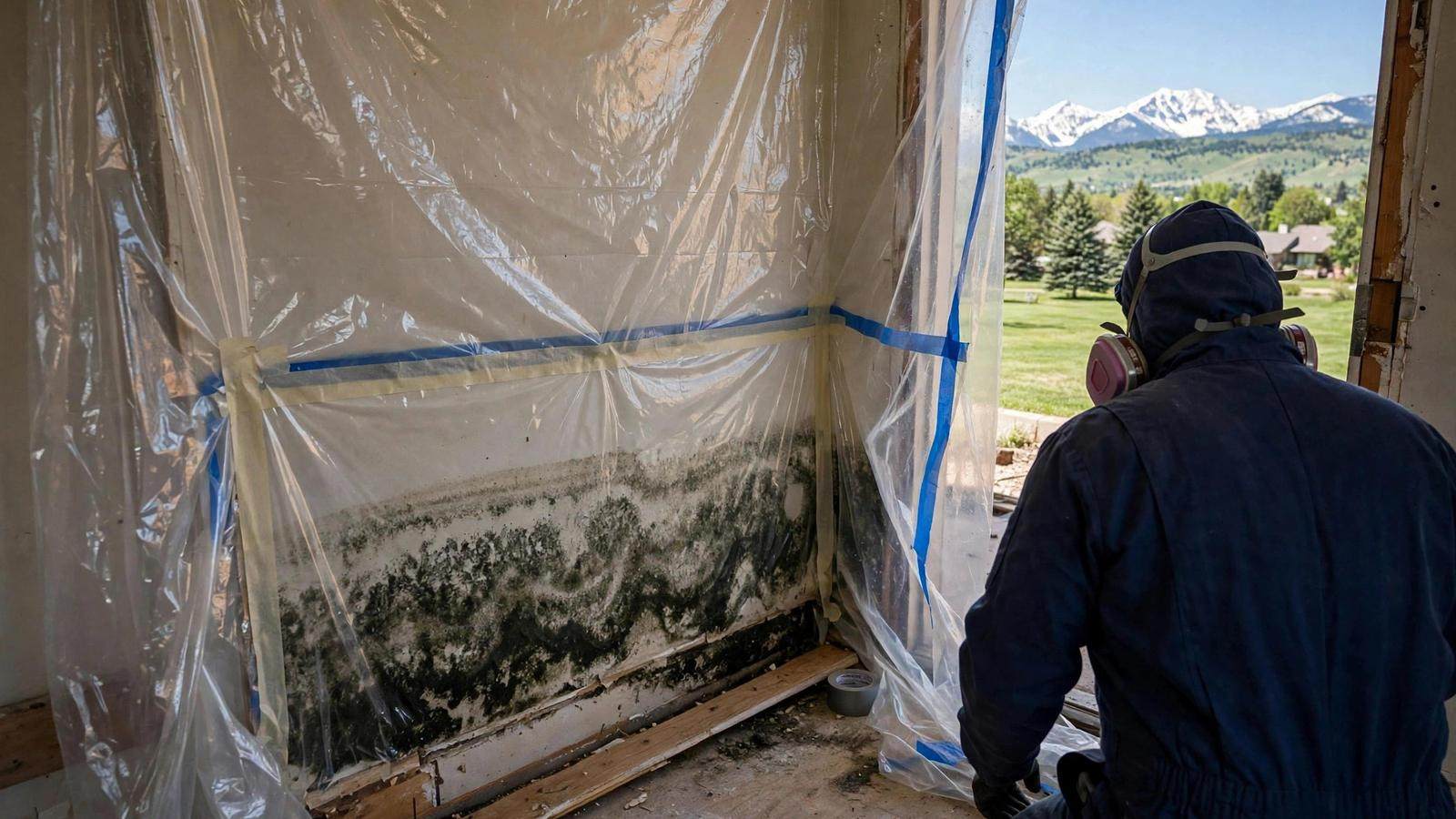
Mold does not need a flood. A slow leak behind a basement wall, a damp carpet pad or a wet attic is enough. Our mold remediation in Pleasant Grove, UT follows the IICRC S520 standard: the area is contained, mold-damaged materials are removed under HEPA air filtration and the moisture source is found and dried so the problem is fixed at its root. A crew is dispatched immediately when mold follows a leak, flood or sewer backup.
How Fast Does Mold Grow After Water Damage in Pleasant Grove Homes?
Mold can start growing within 24 to 48 hours on wet drywall, carpet pad and wood. Visible growth often appears within a week if the moisture is not removed.
Mold spores are already present in every home. They only need three things to grow: moisture, a food source such as drywall paper or wood, and a temperature people find comfortable. A leak supplies the moisture. That is why fast water extraction and drying are the best mold prevention there is, and why mold remediation after water damage in Pleasant Grove must start with finding and drying the water, not just cleaning the spots you can see.
Can Mold Grow in Utah's Dry Climate?
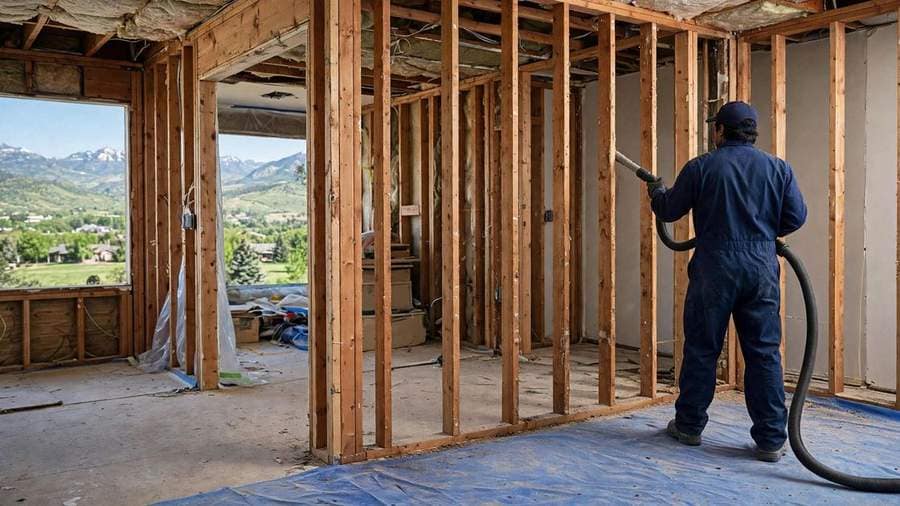
Yes. Utah's dry outdoor air does not protect the places inside a home that stay damp. Mold grows in small pockets of moisture, often hidden, even when the rest of the house feels dry.
In Pleasant Grove homes, the common pockets are:
- Cool basement walls where warm indoor air condenses
- Bathrooms without a working exhaust fan
- Wall cavities behind a slow plumbing leak
- Carpet pad on concrete after a small flood that was never fully dried
- Attics where bathroom fans vent warm, wet air instead of venting outside
- Window wells and egress windows that let water seep in during snowmelt
These are exactly the places that do not get the benefit of dry outside air.
Signs of Mold in Your Home
- A musty, earthy smell, especially in the basement or a closet
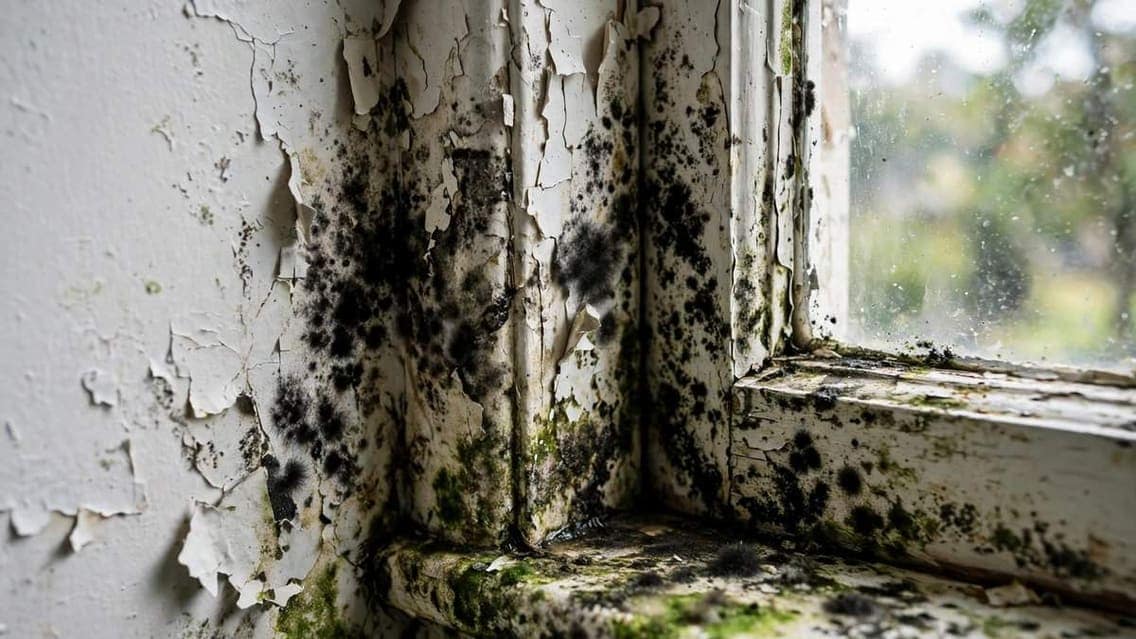
- Black, green, gray or white spots on drywall, wood or grout
- Paint that bubbles, peels or looks stained near the floor or ceiling
- Allergy-like symptoms that get worse in one part of the house
- A past leak or flood that was dried with fans only
- Warped baseboards or soft spots in drywall
If you notice any of these, the moisture source matters as much as the mold itself.
Where Mold Hides in Pleasant Grove Homes
Behind Finished Basement Drywall
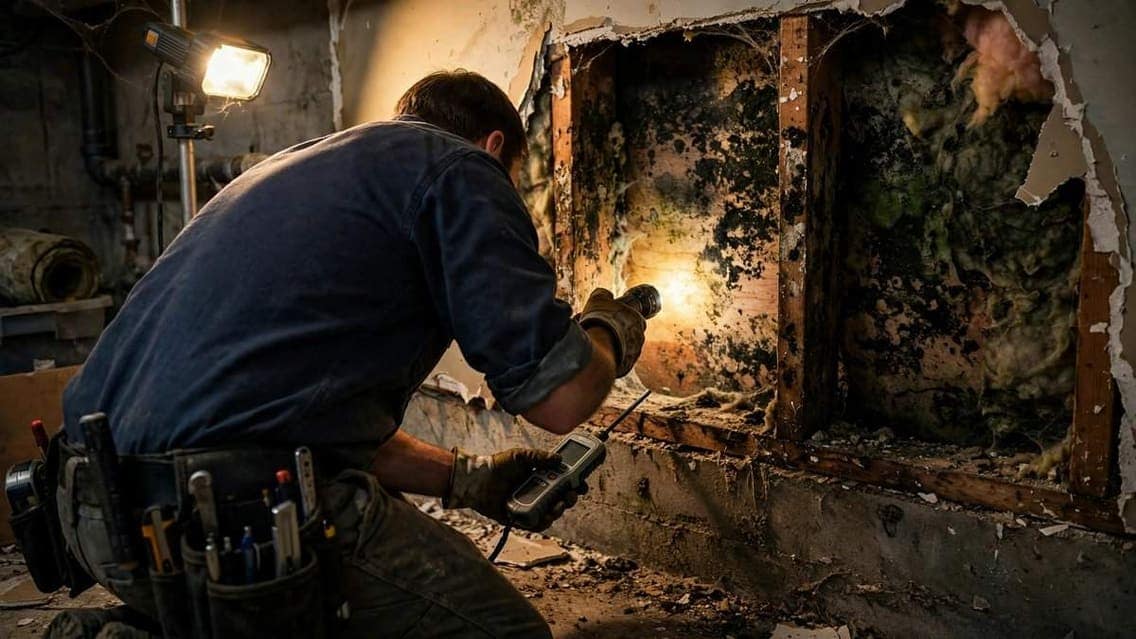
Most Pleasant Grove basements are finished, with drywall, insulation and carpet over concrete. When water gets in from a window well, snowmelt seepage or a plumbing leak, it can sit inside the wall where no one sees it. Basement mold removal often starts with a musty smell and a small stain at the bottom of the wall.
Under Carpet Pad on Concrete
Pad holds water and dries slowly on a cold slab. A basement that was dried with box fans after a flood often has mold growing under the carpet.
In Attics
Bathroom fans vented into the attic, ice dams and roof leaks all add moisture above the ceiling. Mold on roof sheathing and insulation can grow for months before anyone looks. See ceiling water damage repair.
Under Sinks and Behind Appliances
Slow drips from supply lines, dishwashers, refrigerators and washing machines soak cabinet floors and the drywall behind them. See water heater and appliance leak cleanup.
Bathrooms and Shower Walls
A failed shower pan or cracked grout lets water behind the tile, where it soaks the backer board and framing. See bathroom and shower leak water damage.
Cold Storage Rooms and Crawl Spaces
Unheated rooms under porches, cold cellars and crawl spaces stay cool and damp, and they are rarely checked.
Is Black Mold More Dangerous Than Other Mold?
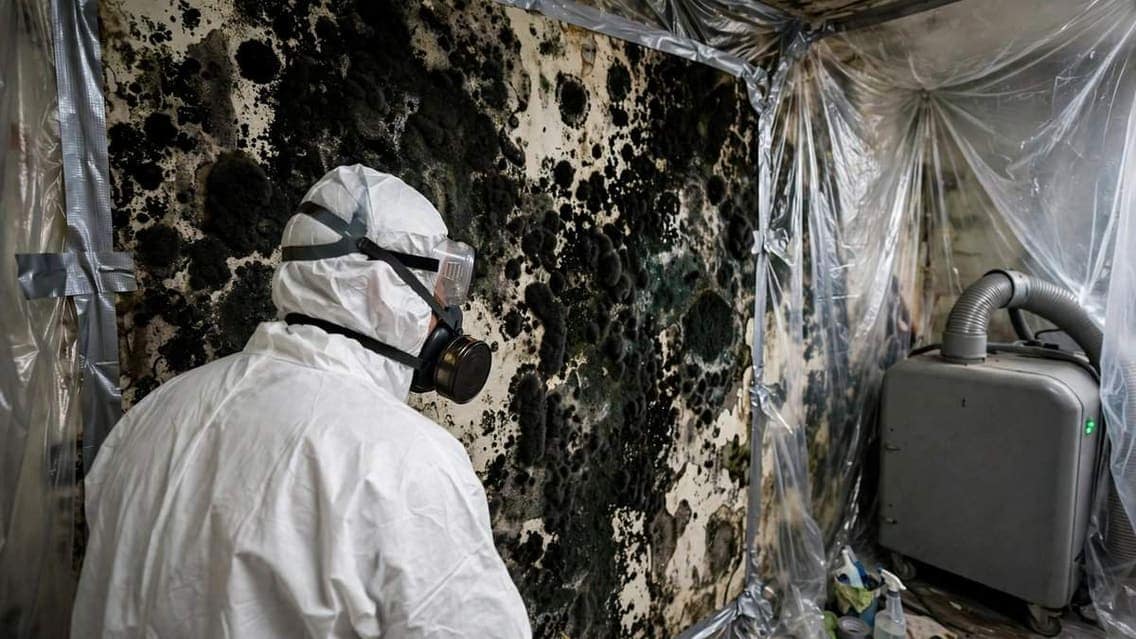
You cannot tell the type or risk of mold by its color. Many molds look black, and many harmful molds are not black. The safe approach is to treat any significant mold growth the same way, with containment and proper removal.
Black mold removal follows the same IICRC S520 process as any other mold. What matters most is how large the area is, what it is growing on and whether the moisture source has been fixed.
Can You Remove Mold Yourself?
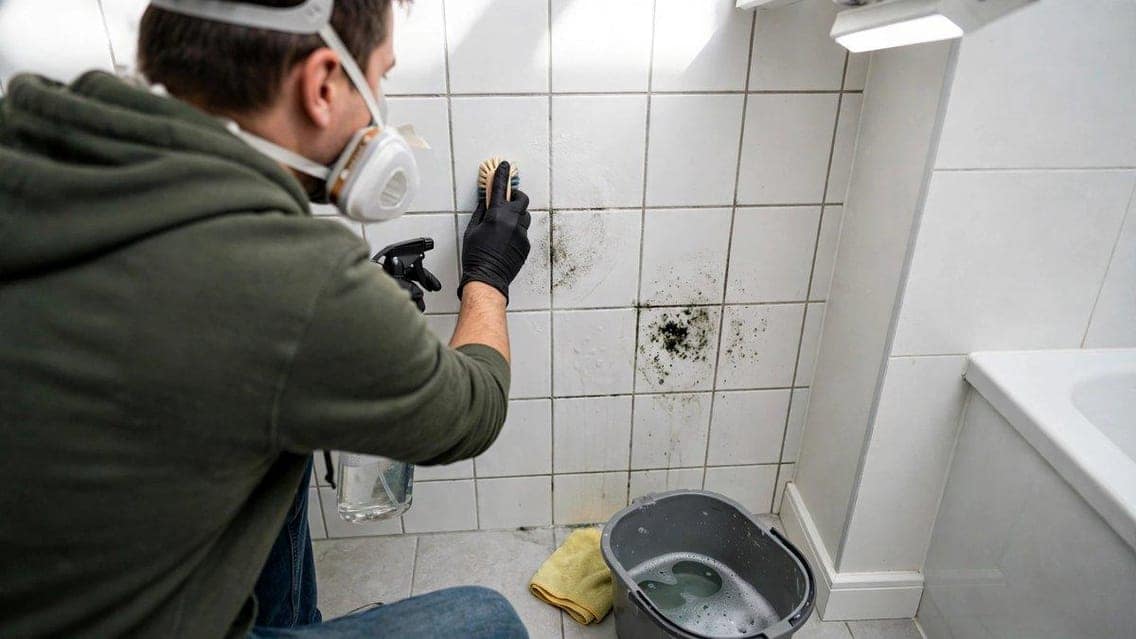
The EPA suggests that homeowners can usually handle mold on hard surfaces covering less than about 10 square feet, if the moisture problem is fixed and they wear gloves, goggles and a mask.
Call for professional help when:
- The mold covers more than about 10 square feet
- It is growing inside walls, under carpet or in an attic
- It followed a sewage backup or a flood
- Anyone in the home has asthma, allergies or a weak immune system
- The smell is strong but you cannot find the source
Do not paint over mold or spray bleach on drywall. Bleach does not reach the roots in porous materials, and the added moisture can make the problem worse.
Our Mold Remediation Process (IICRC S520)
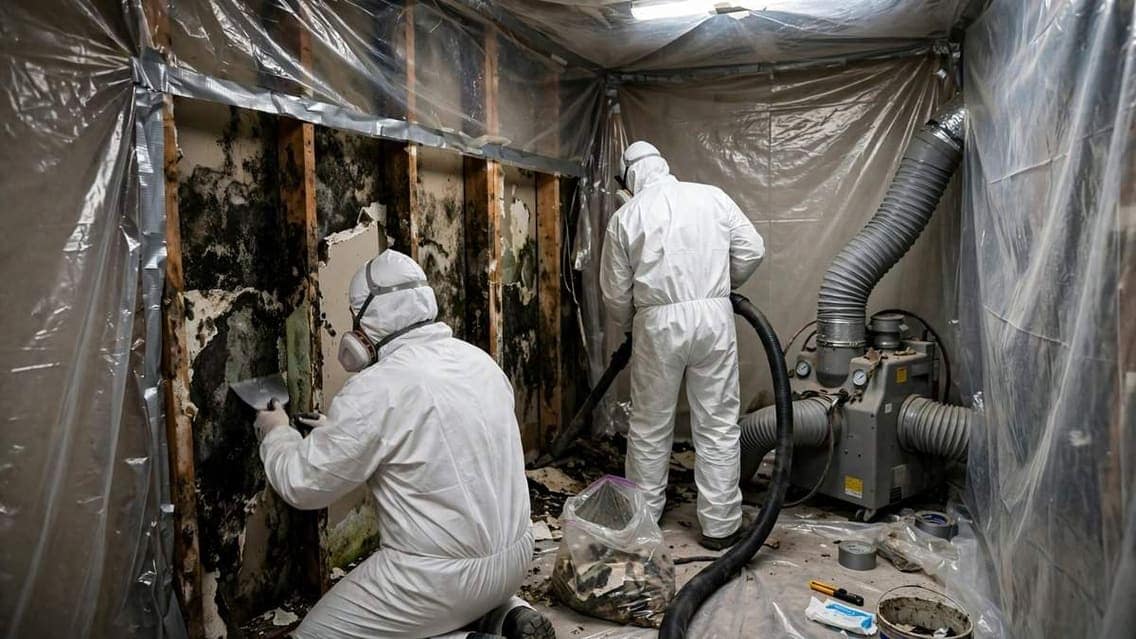
- Inspection: The mold is assessed and moisture meters and thermal imaging are used to find the water source and how far it spread.
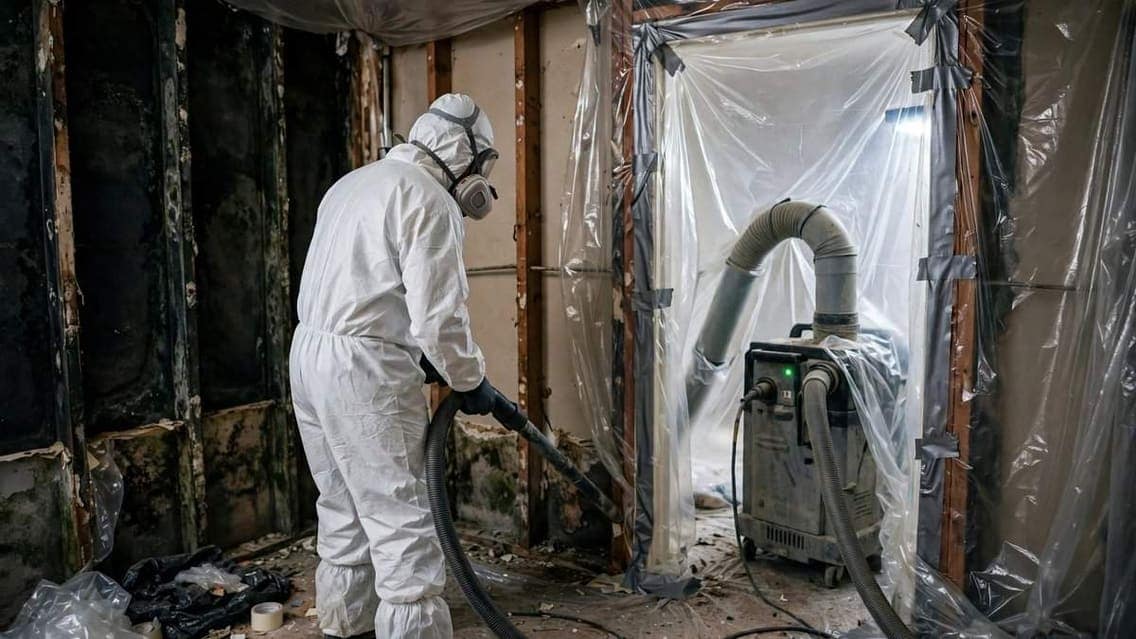
- Containment: The area is sealed with plastic sheeting so spores do not spread to the rest of the home.
- Negative air and HEPA filtration: Air scrubbers pull air out of the work area through HEPA filters, keeping spores inside the containment.
- Removal: Mold-damaged drywall, insulation, carpet pad and other porous materials are bagged and removed.
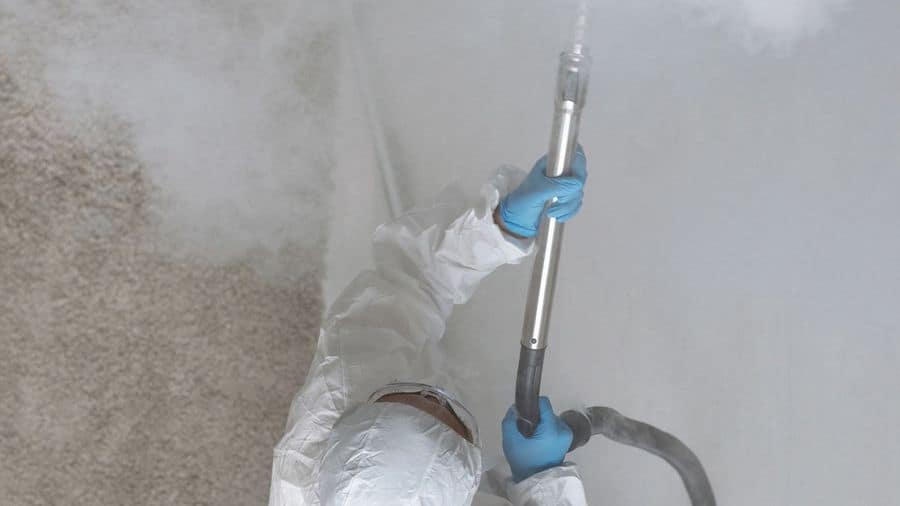
- Cleaning: Framing, concrete and other hard surfaces are HEPA vacuumed, scrubbed and wiped.
- Antimicrobial treatment: Cleaned surfaces are treated to inhibit new growth.
- Drying: LGR dehumidifiers and air movers bring the structure to a dry standard before anything is rebuilt.
- Final check: The area is inspected before containment comes down. Independent air or surface testing can be done by a third-party lab if you want written clearance.
Mold Testing: When Is It Worth It?
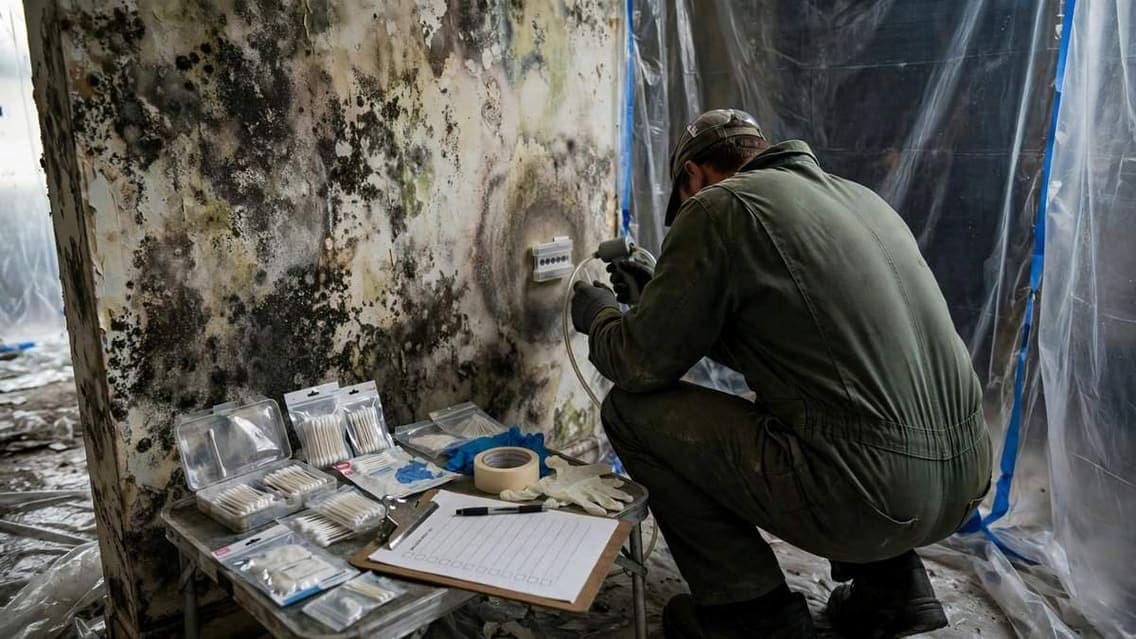
If mold is visible, testing is usually not needed to know it has to be removed. Testing is useful when:
- You smell mold but cannot find it
- Someone in the home has health symptoms you suspect are mold-related
- You are buying or selling a home
- You want written clearance after remediation
For the most reliable results, testing should be done by an independent inspector who is not doing the removal work.
Fixing the Moisture Source So Mold Doesn't Return
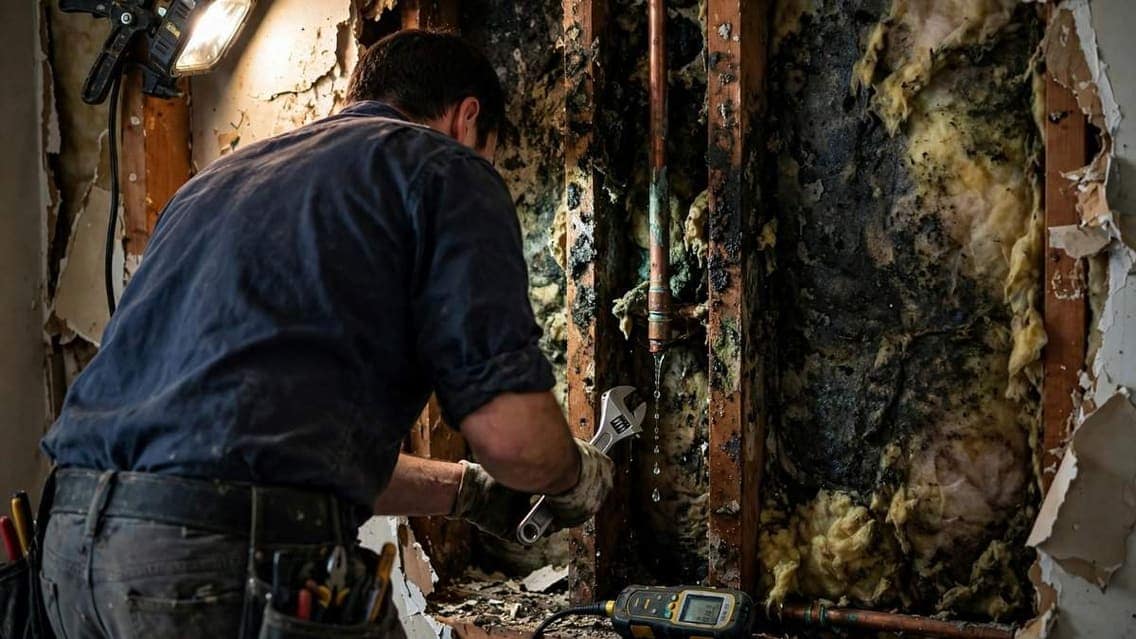
Mold removal without fixing the water source only buys time. Common sources in Pleasant Grove and where to get help:
- Burst or leaking pipes
- Flooded basements
- Window well flooding
- Snowmelt seepage through foundation walls
- Leaking water heaters, washers and softeners
- Structural drying after any water loss
Mold in Basement Apartments and Rentals
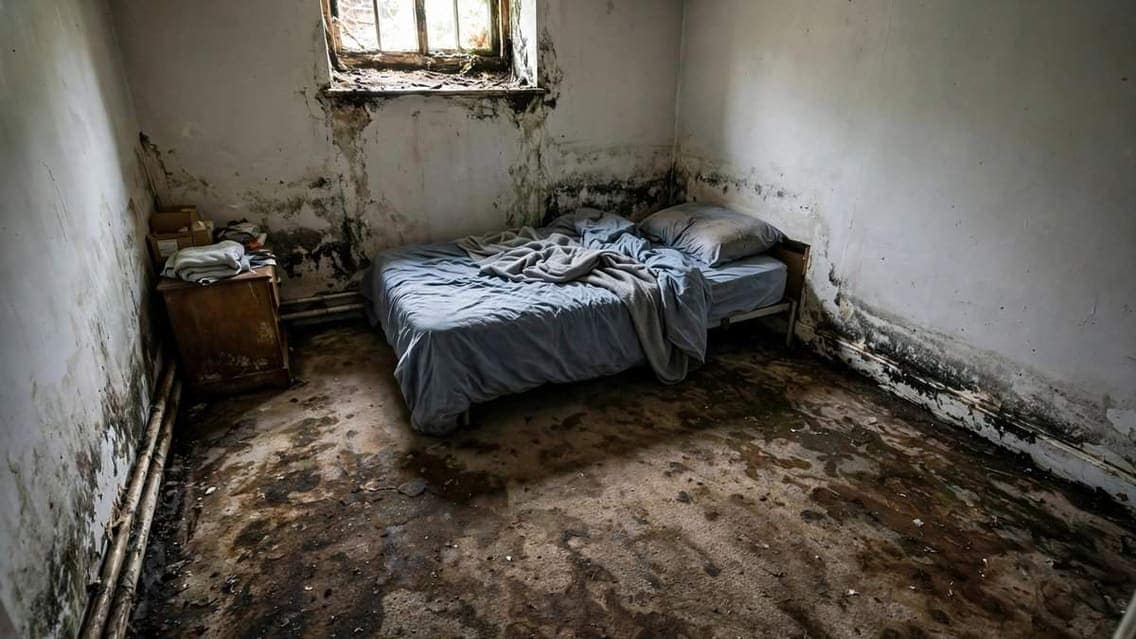
Basement rentals are common across Utah County, and mold in a rental creates questions for both landlords and tenants. Landlords need the unit cleaned and dried so it can be lived in again. Tenants need their belongings protected. See basement apartment water damage.
Mold Remediation Cost in Pleasant Grove
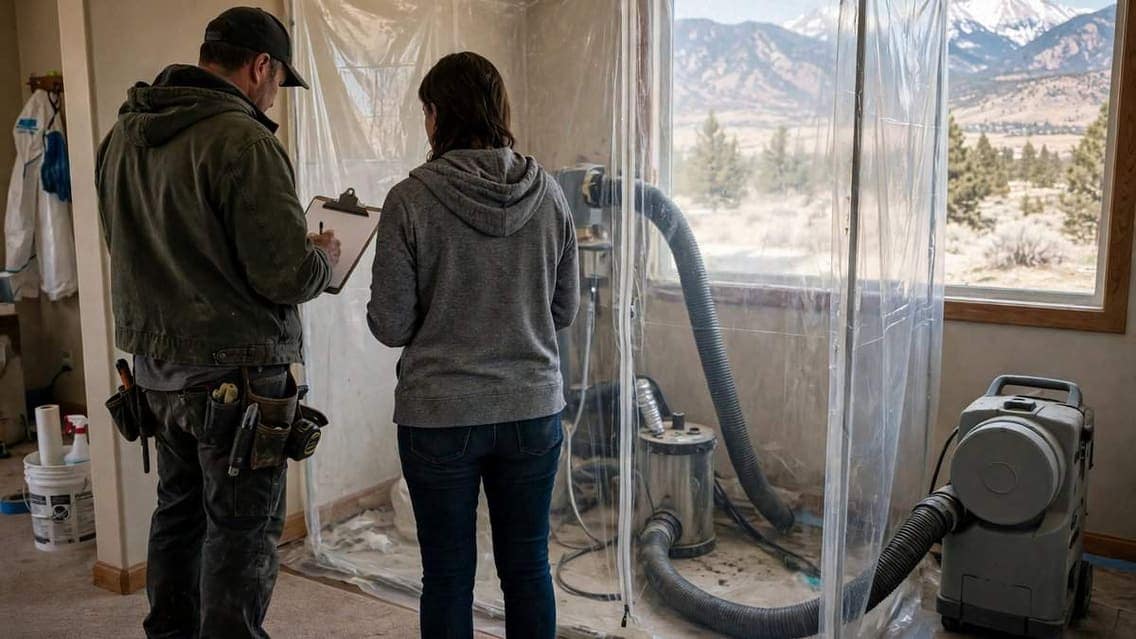
Mold remediation in Pleasant Grove usually costs between $1,500 and $6,000 for a contained area such as part of a basement or a bathroom. Large attic jobs or whole-basement remediation can range from $5,000 to $15,000 or more.
Cost depends on the size of the area, how many materials must be removed, how hard the area is to reach, and how much drying is needed afterward. See the water damage restoration cost guide.
Does Homeowners Insurance Cover Mold?
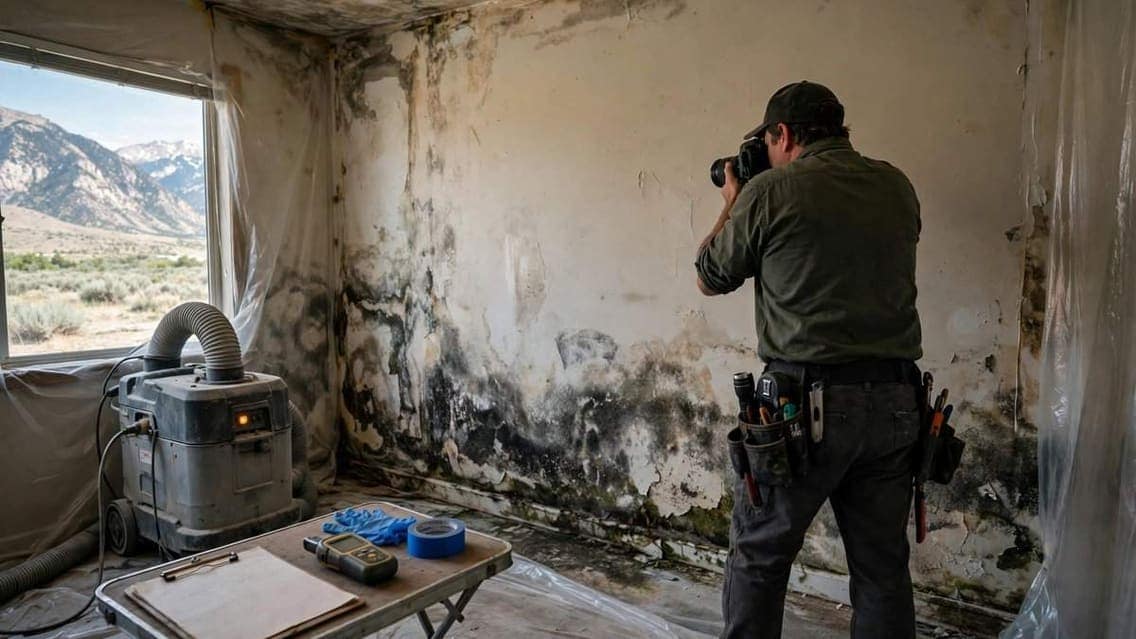
Mold is usually covered only when it results from a sudden, covered water event such as a burst pipe, and many policies cap mold coverage at a set dollar amount. Mold from long-term leaks, humidity or poor maintenance is usually excluded. Acting fast after a leak protects both your home and your claim. Read the guide to water damage insurance claims.
Mold Remediation FAQs
Is basement mold dangerous?
It can be. Mold releases spores and odors that can trigger allergies, asthma and other breathing problems, especially in children and older adults. Basement mold also spreads through the air system into the rest of the house, so it should be removed and the moisture source fixed.
How long does mold remediation take?
Most residential mold remediation takes one to five days, depending on the size of the area and how much material must be removed. Drying and any testing afterward can add a few more days before repairs begin.
Do I need to leave my home during mold remediation?
Usually not, because the work area is sealed off with containment and negative air. Leaving may be best if the mold is widespread, if the work area includes your bedroom, or if someone in the home has serious breathing problems.
Will bleach kill mold?
Bleach can clean mold from hard, non-porous surfaces like tile. It does not reach mold growing inside drywall, wood or carpet, and the water in it can feed new growth. Porous materials with mold usually need to be removed.
Can mold come back after remediation?
Mold returns when moisture returns. Removing the mold and fixing the leak, drainage or ventilation problem that caused it is what keeps it from coming back.
Can I just paint over mold?
No. Paint covers the stain but not the mold, which keeps growing underneath and eventually shows through. The mold and the damaged material need to be removed and the moisture source fixed first.
Get Mold Removal in Pleasant Grove, UT
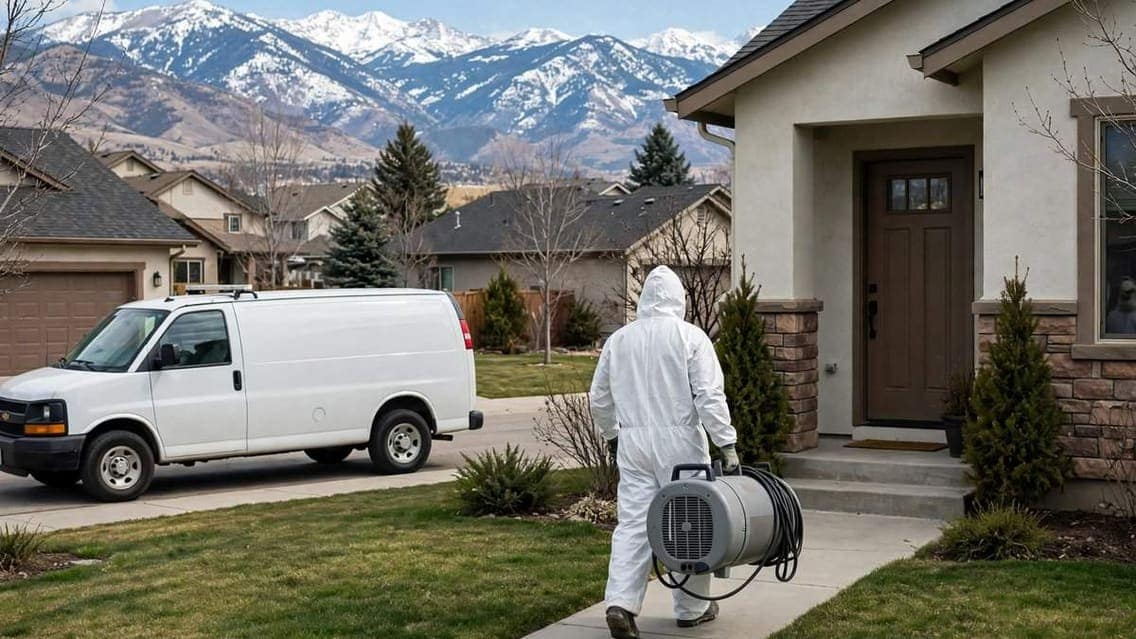
Mold that is left alone only spreads. For mold remediation in Pleasant Grove, UT, mold removal in Pleasant Grove, UT homes and businesses, and mold remediation after water damage in Pleasant Grove, Lindon, Alpine, Vineyard and American Fork, call for help today. When mold follows a fresh leak or flood, a crew is dispatched immediately.
Call (385) 346-0377 now for mold removal and mold remediation after water damage in Pleasant Grove.
Call (385) 346-0377 now for water damage Pleasant Grove 84062 help. A crew is dispatched immediately.
(385) 346-0377Get 24/7 Emergency Water Damage Help in Pleasant Grove, UT
Call (385) 346-0377 now for water damage Pleasant Grove 84062 help. A crew is dispatched immediately.