WATER MITIGATION • PLEASANT GROVE, UTAH
Professional Water Mitigation & Structural Drying in Pleasant Grove, UT
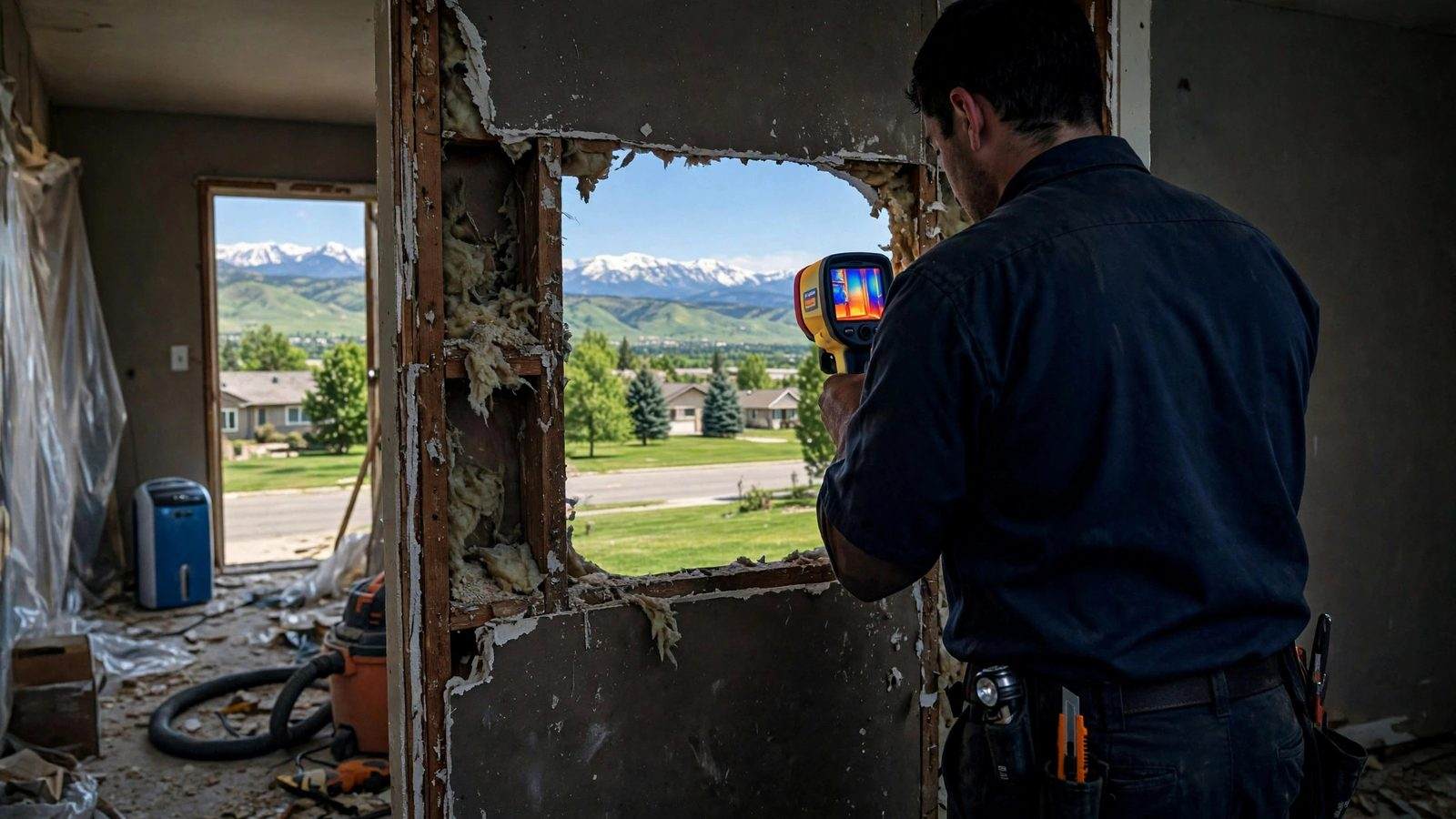
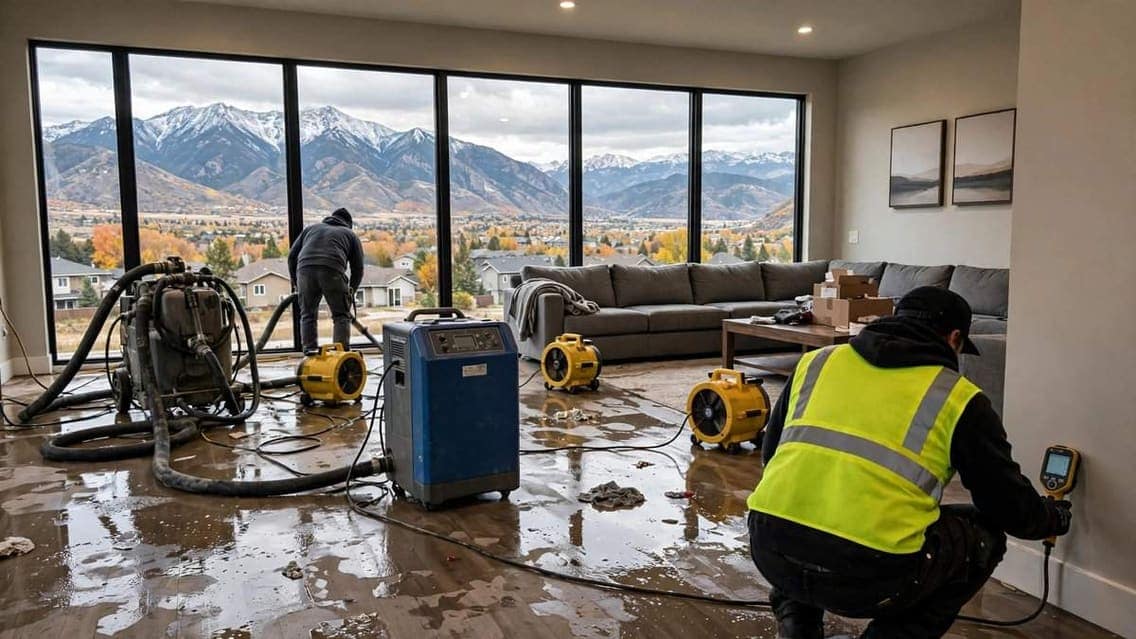
Water mitigation is what keeps a leak from becoming a rebuild. Our water mitigation in Pleasant Grove, UT stops the damage from spreading: water is extracted, ruined materials are removed and walls, floors and framing are dried with LGR dehumidifiers and air movers to a measured dry standard. A crew is dispatched immediately, day or night, and every reading is logged so you and your insurance adjuster can see exactly when your home is truly dry.
What Does Water Mitigation Involve in Pleasant Grove, UT?
Water mitigation is the emergency work that stops water damage from getting worse: removing the water, tearing out what can't be saved and drying the structure before mold starts.
It is the first phase of every water damage job. Repairs, paint and new flooring all come later, and they only last if the structure underneath is fully dry. Most homeowners policies also expect you to take reasonable steps to limit further damage, and professional water damage mitigation in Pleasant Grove, UT is how that is done and documented.
Without mitigation, water keeps moving. It wicks up drywall, spreads under flooring into the next room and soaks into wood framing. Each day it sits adds more material to the tear-out list.
Water Mitigation vs Water Restoration: What's the Difference?
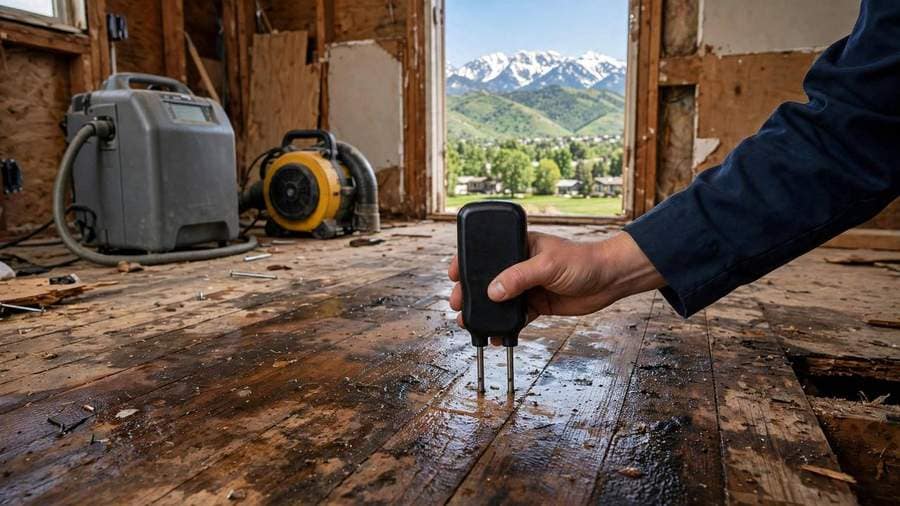
The two terms are often used as if they mean the same thing, but they are two different stages of the same job.
Water mitigation:
- Happens immediately, within hours of the loss
- Stops the water and removes it
- Takes out materials that cannot be dried, such as soaked carpet pad
- Dries the structure to a measured dry standard
- Prevents mold, swelling and further damage
Water restoration:
- Happens after the structure is dry
- Replaces drywall, baseboards, insulation and flooring
- Includes painting, texture matching and finish work
- Returns the space to the way it was before the loss
Water mitigation vs restoration comes down to timing: mitigation protects your home now, restoration rebuilds it afterward.
The 4 Classes of Water Loss and How They Shape the Drying Plan
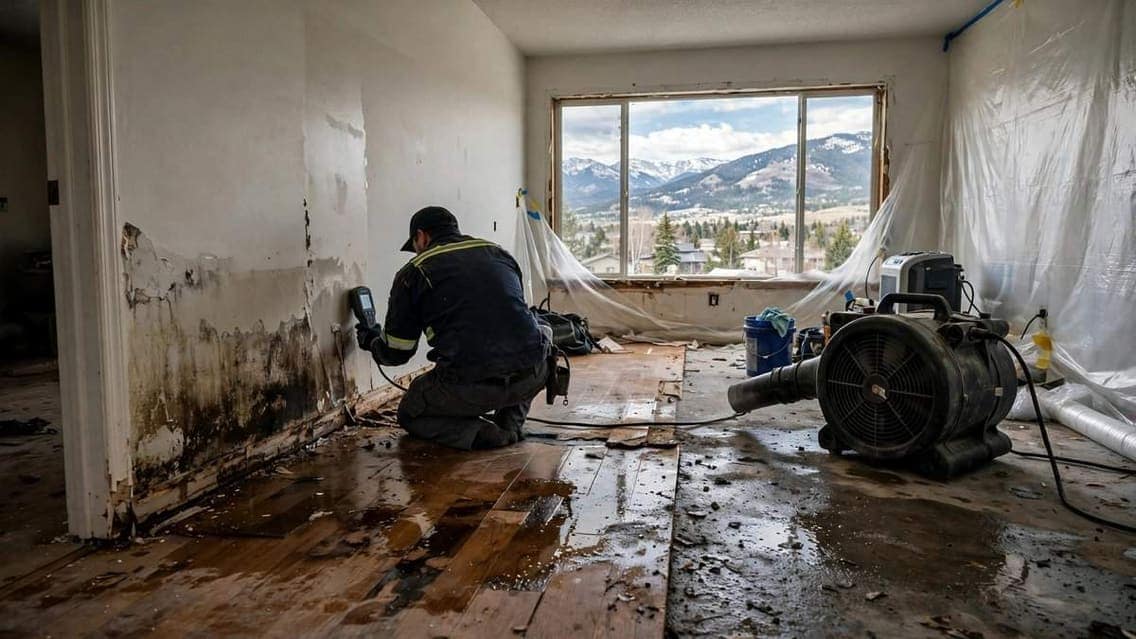
The IICRC S500 standard sorts water losses into four classes based on how much water is present and how much the materials absorbed. The class decides how many dehumidifiers and air movers your home needs.
- Class 1: A small area with materials that absorb little water, such as part of a room with vinyl flooring. Drying is quick.
- Class 2: A whole room with wet carpet and pad, and water wicked less than about two feet up the walls.
- Class 3: Water came from above. Ceilings, walls, insulation and carpet are saturated. This class needs the most evaporation.
- Class 4: Specialty drying for dense materials that hold water tightly, such as hardwood, plaster, brick, concrete and stone. It needs very low humidity and more time.
Class is about how much water the structure holds. Category is about how clean the water is. A good drying plan accounts for both.
Why Utah's Dry Air Doesn't Dry Walls on Its Own
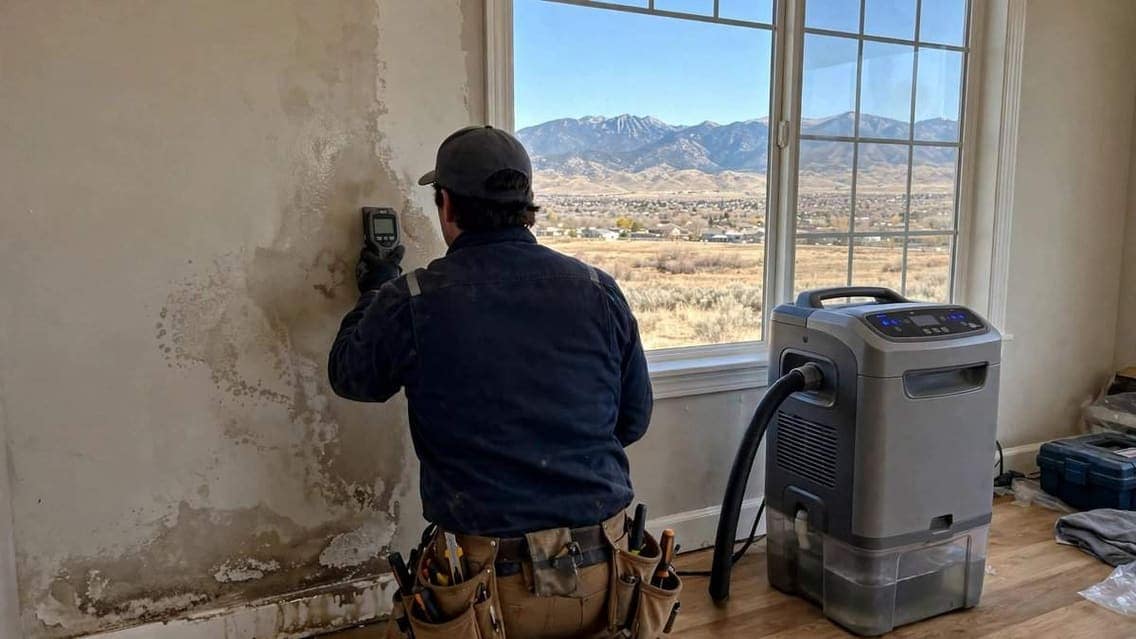
Many homeowners expect Utah's dry climate to do the work. It does not, at least not where it matters.
Dry outdoor air only touches surfaces. Water trapped inside a wall cavity, under carpet pad or in a subfloor gets almost no airflow. Pleasant Grove basements stay cool, and cool air slows evaporation. In winter, windows stay shut, and opening them can freeze pipes without drying anything.
The result is drywall that looks and feels dry on the surface while the bottom plate behind it is still wet. Those hidden pockets are exactly where mold grows. Structural drying uses controlled airflow and dehumidification to pull moisture out of materials, not just off them.
Our Structural Drying Equipment and What Each Tool Does
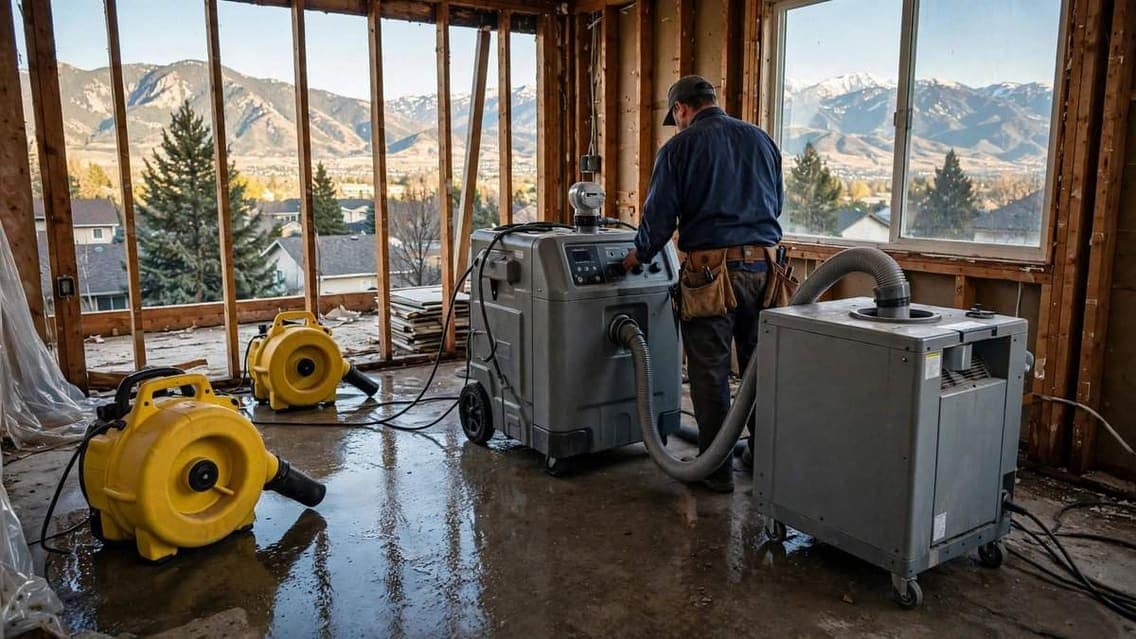
The right drying equipment depends on the class of loss, the materials and the temperature of the space.
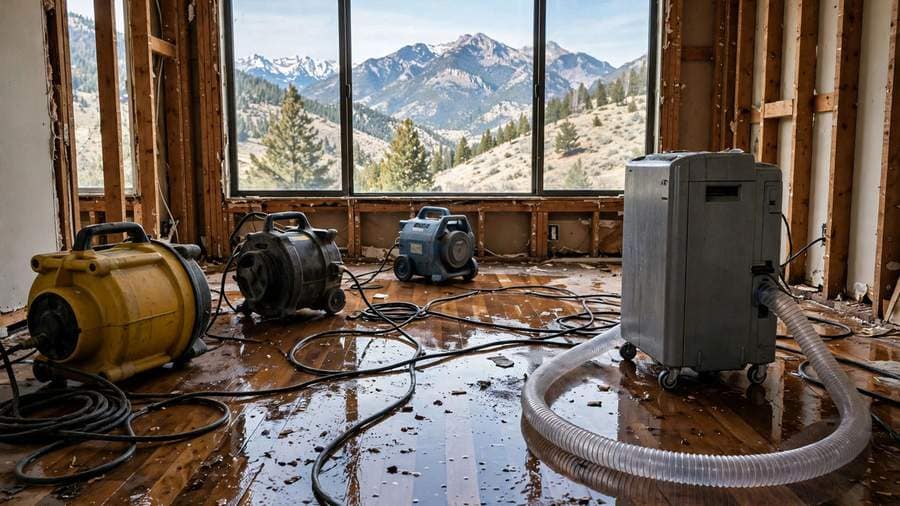
- LGR dehumidifiers: Low-grain refrigerant units that keep pulling moisture out of the air even as the room gets drier. The workhorse of most drying jobs.
- Desiccant dehumidifiers: Used for cold basements and dense materials like hardwood and concrete, where refrigerant units slow down.
- High-velocity air movers: Push air across wet surfaces to speed up evaporation from carpet, walls and floors.
- Wall cavity drying systems: Send dry air into walls through small holes behind the baseboard, so drywall can often be dried in place instead of cut out.
- Hardwood floor drying mats: Pull moisture up through wood flooring to reduce cupping.
- HEPA air scrubbers: Filter dust and airborne particles while materials are removed.
- Moisture meters, thermo-hygrometers and thermal cameras: Measure how wet each material is and track progress every day.
How We Decide What Stays and What Goes
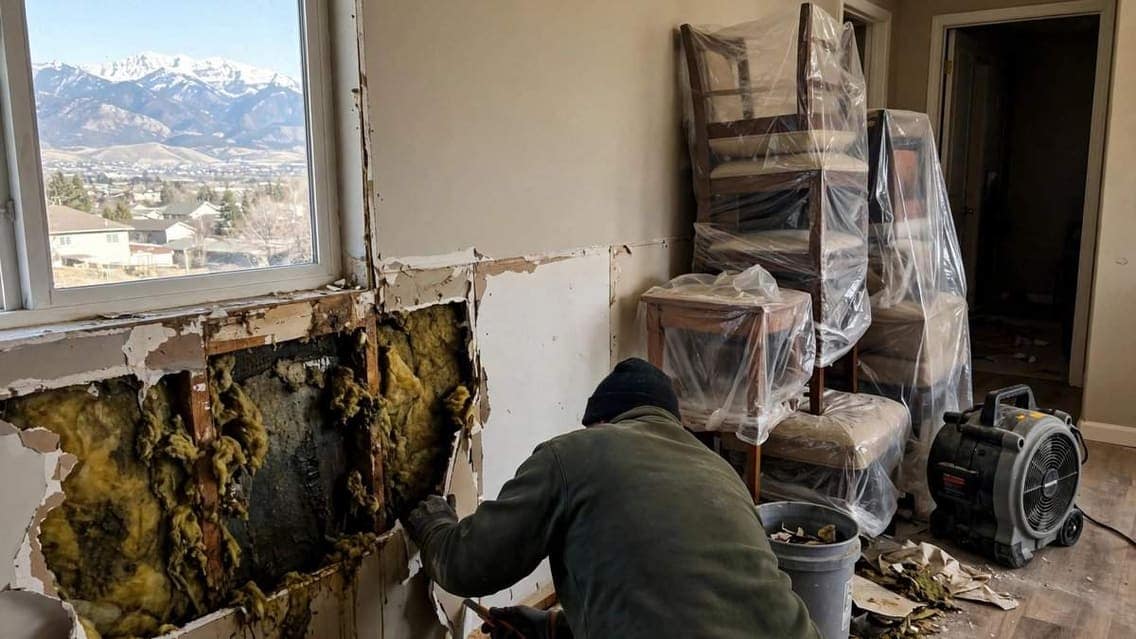
The goal is to save everything that can be safely dried and remove only what cannot.
- Carpet pad is usually removed because it holds water like a sponge and dries poorly.
- Carpet can often be dried in place if the water was clean and caught early.
- Drywall is dried in place when possible. When it is soaked or contaminated, a flood cut removes the bottom section, usually two to four feet up.
- Baseboards are taken off so the wall behind them can dry, and saved when possible.
- Insulation that is soaked is removed because wet insulation does not dry well inside a wall.
- Cabinet toe kicks are removed so air can reach the floor under the cabinets.
Everything removed is photographed and listed first, so your insurance claim shows what was lost and why.
How the Mitigation Process Works, Day by Day
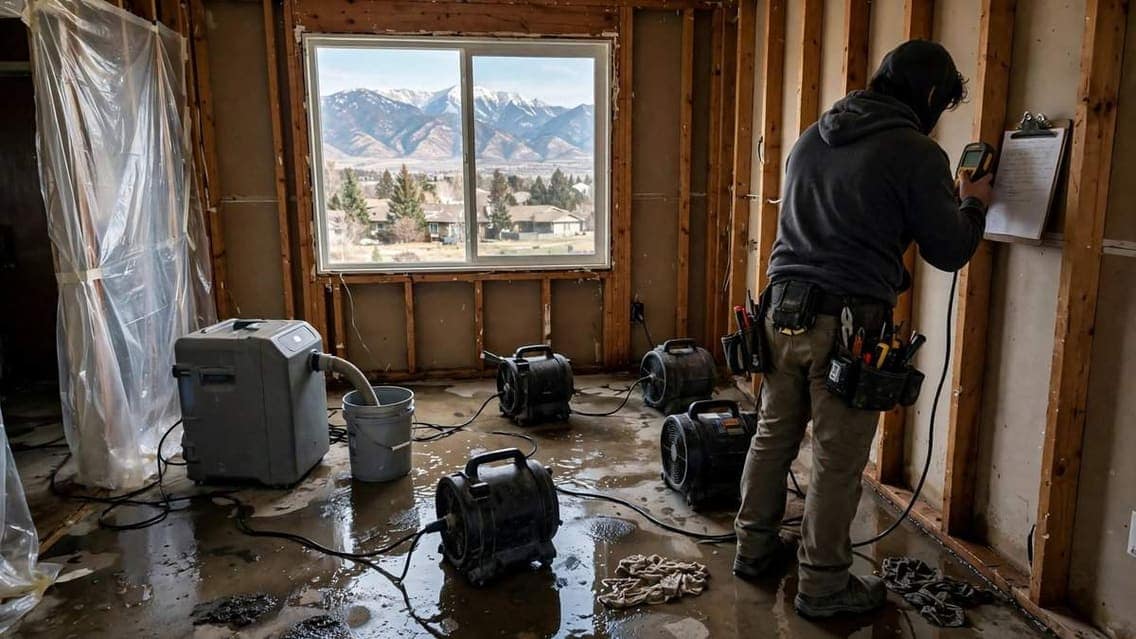
- Day 1: Inspection, water extraction, removal of unsalvageable materials, equipment setup and first moisture readings.
- Day 2: Readings are taken again. Equipment is moved to the areas drying slowest.
- Days 3 to 4: Most materials approach the dry standard. Equipment is reduced as rooms finish.
- Final day: Readings are compared to unaffected materials in your home. When they match, equipment is removed and the drying report is completed.
How Do You Know Your Home Is Really Dry?
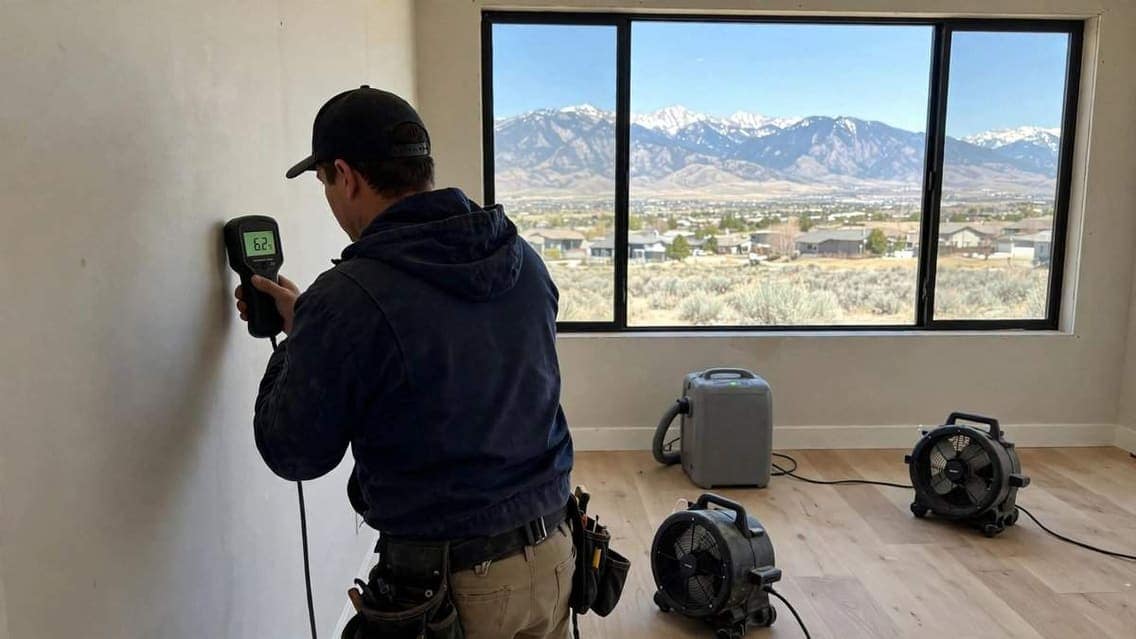
Your home is dry when moisture readings in the affected materials match readings from the same materials in an unaffected part of the house. That match is called the dry standard.
Feeling the wall or looking at it is not enough. Every affected area is measured each day and the numbers are recorded in a drying log. That log is your proof, and your adjuster's proof, that the structure was dried properly before anything was closed up.
How Long Does Structural Drying Take?
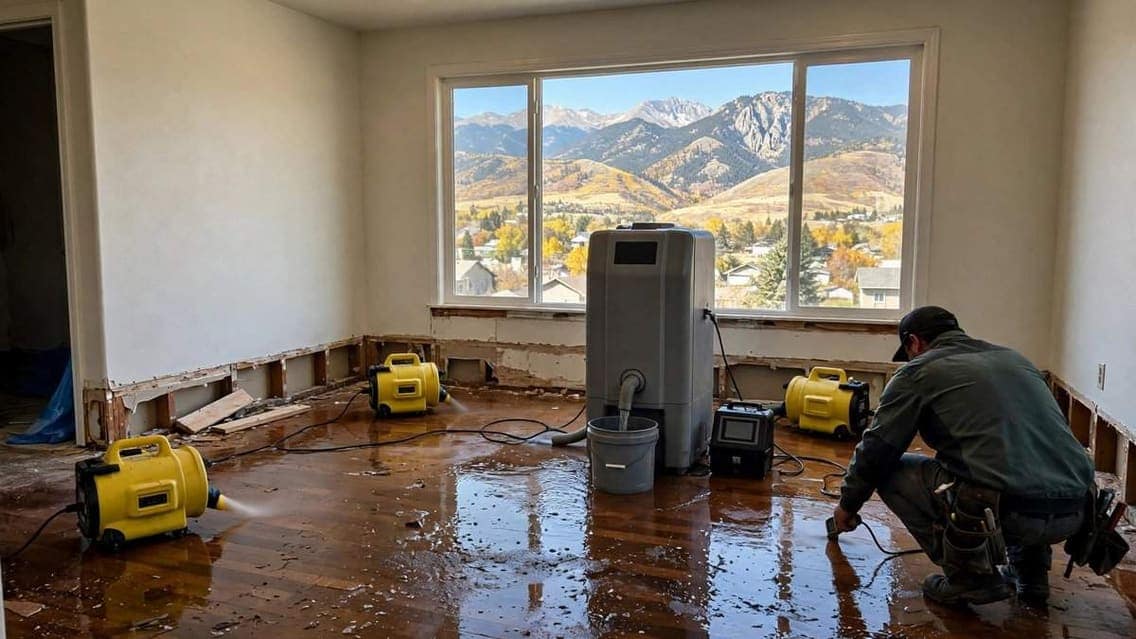
Structural drying in Pleasant Grove usually takes three to five days for most homes. Class 4 losses involving hardwood, plaster, brick or concrete can take a week or longer.
Drying time depends on:
- How long the water sat before mitigation started
- The class and category of the loss
- The materials involved
- The temperature of the space, especially in winter basements
- Whether the equipment runs without interruption
Signs a Home Was Not Dried Properly
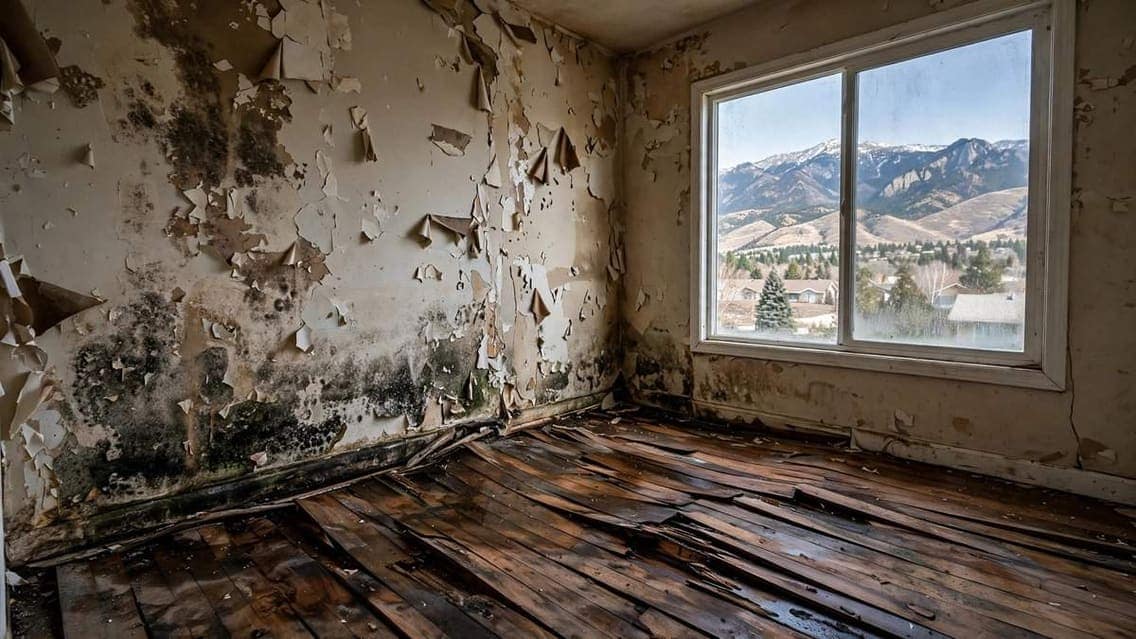
If a previous leak was cleaned up but never fully dried, watch for:
- A musty smell that comes back weeks later
- Paint bubbling or peeling near the floor
- Baseboards pulling away from the wall
- Floors that feel soft, warped or uneven
- Dark spots or staining on the lower part of walls
- Allergy symptoms that get worse in one area of the house
Any of these can mean moisture is still trapped. A moisture inspection can confirm it before mold spreads. Learn about mold remediation.
Water Mitigation Cost and Insurance in Pleasant Grove
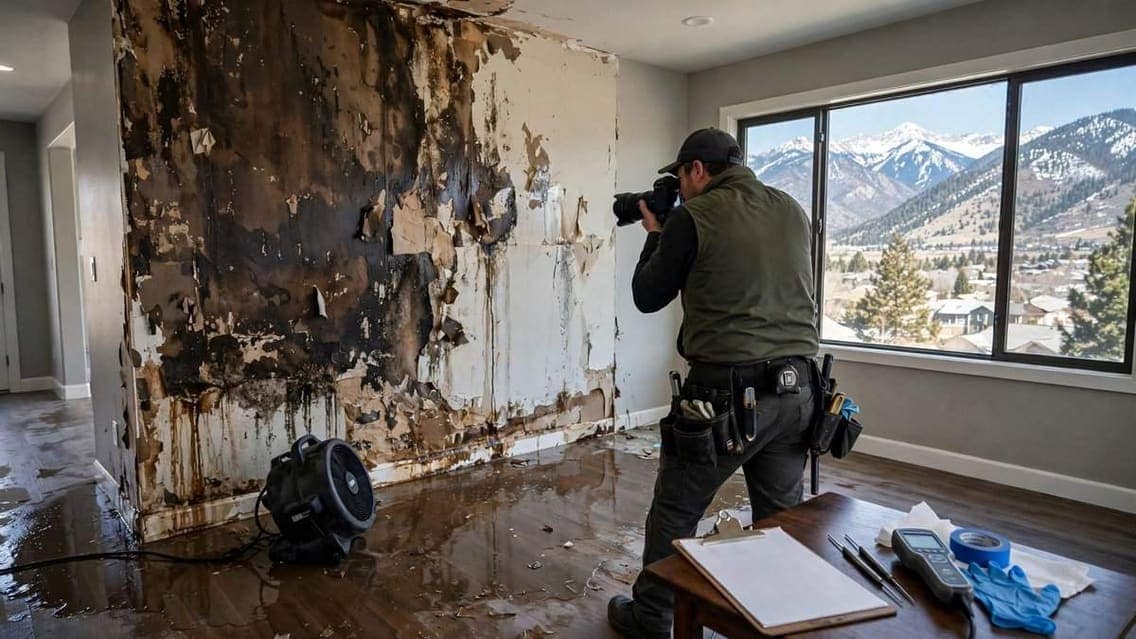
Most residential water mitigation jobs in Pleasant Grove run from $1,000 to $6,000. Large losses affecting several rooms or floors can range from $8,000 to $20,000 or more.
When the cause is sudden, such as a burst pipe or failed water heater, mitigation is usually covered by homeowners insurance. The daily drying logs, photos and readings from your job give the adjuster a clear record. Read the guide to water damage insurance claims and the water damage restoration cost guide.
Related Water Damage Services in Pleasant Grove
- Emergency water extraction to remove standing water before drying begins
- Flooded basement cleanup for finished basements
- Wet carpet and hardwood floor drying
- Ceiling water damage repair after leaks from above
Water Mitigation FAQs
Can I rent dehumidifiers and dry the house myself?
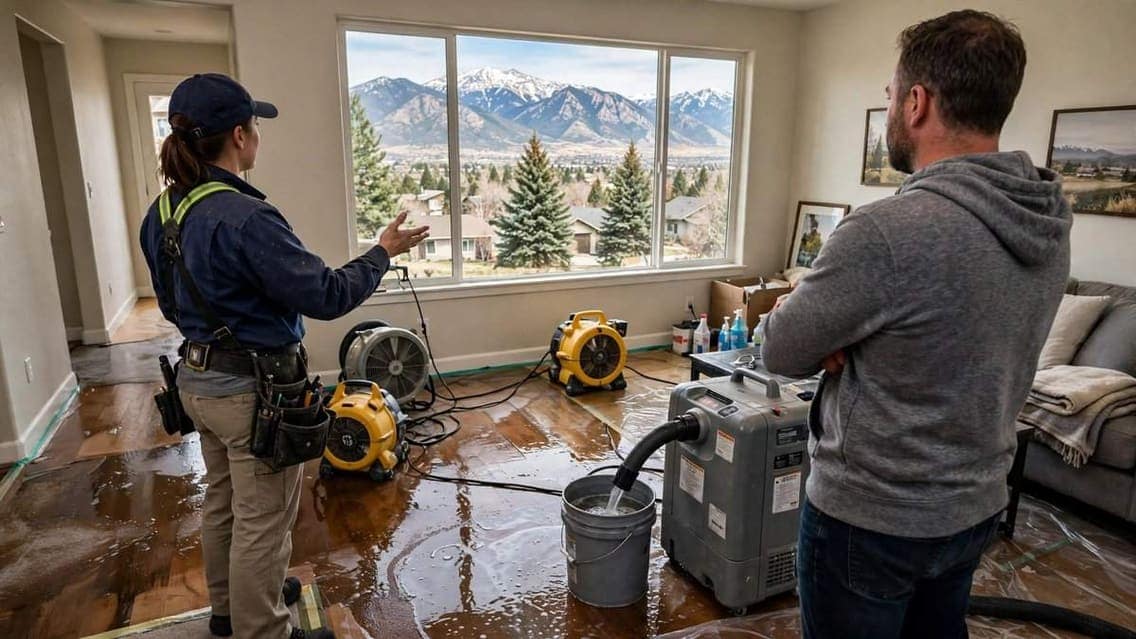
For a small, clean spill on a hard floor, a rental may be enough. The question of dehumidifier rental vs professional drying comes down to measurement. Without moisture meters and daily readings, there is no way to know when walls and subfloors are actually dry, and hidden moisture is how mold starts.
Why do you drill small holes in the wall?
Small holes behind the baseboard let dry air flow into the wall cavity. This dries the inside of the wall without cutting out the drywall. Once the wall is dry, the baseboard goes back on and covers the holes.
Can I turn the drying equipment off at night?
No. The equipment needs to run around the clock to keep drying on schedule. Turning it off lets humidity rise again and can add days to the job. If the noise is a problem in a bedroom, ask the crew about adjusting placement.
Do I need to leave my home during water mitigation?
Usually not. Most families stay home while the affected area dries. Leaving may be best if the water was sewage, if the only kitchen or bathroom is affected, or if someone in the home has breathing problems.
Will drying equipment raise my electric bill?
Yes, a little. Dehumidifiers and air movers use electricity around the clock for several days. The added cost is usually small compared to the damage it prevents, and it can often be included in your insurance claim.
Does insurance pay for water mitigation?
Usually, yes, when the water came from a sudden and accidental event. Gradual leaks, groundwater seepage and outside flooding are often excluded. Check your policy, and keep the drying logs and photos from the job for your claim.
Start 24/7 Water Mitigation in Pleasant Grove, UT
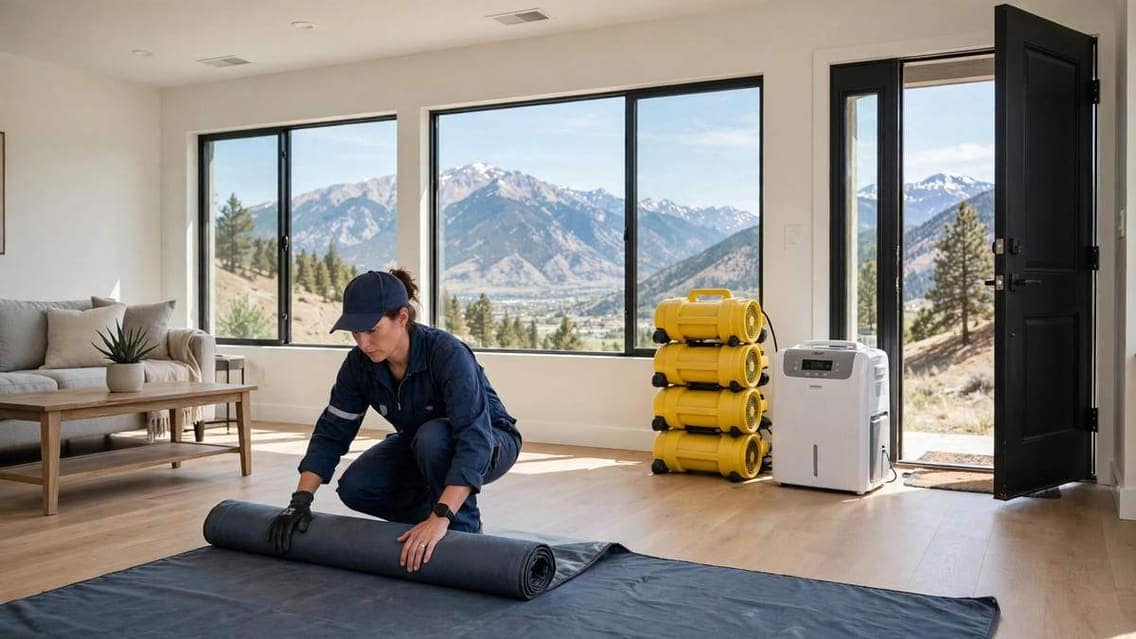
The faster drying starts, the less of your home has to be torn out. For water mitigation in Pleasant Grove, UT, structural drying in Pleasant Grove homes and businesses, and water damage mitigation across Lindon, Alpine, Vineyard and American Fork, a crew is dispatched immediately with the drying equipment your loss needs.
Call (385) 346-0377 now for structural drying and water mitigation in Pleasant Grove, UT. A crew is dispatched immediately.
Call (385) 346-0377 now for water damage Pleasant Grove 84062 help. A crew is dispatched immediately.
(385) 346-0377Get 24/7 Emergency Water Damage Help in Pleasant Grove, UT
Call (385) 346-0377 now for water damage Pleasant Grove 84062 help. A crew is dispatched immediately.