WATER DAMAGE INSURANCE CLAIMS • PLEASANT GROVE, UTAH
Water Damage Insurance Claims in Utah: What's Covered and How to File
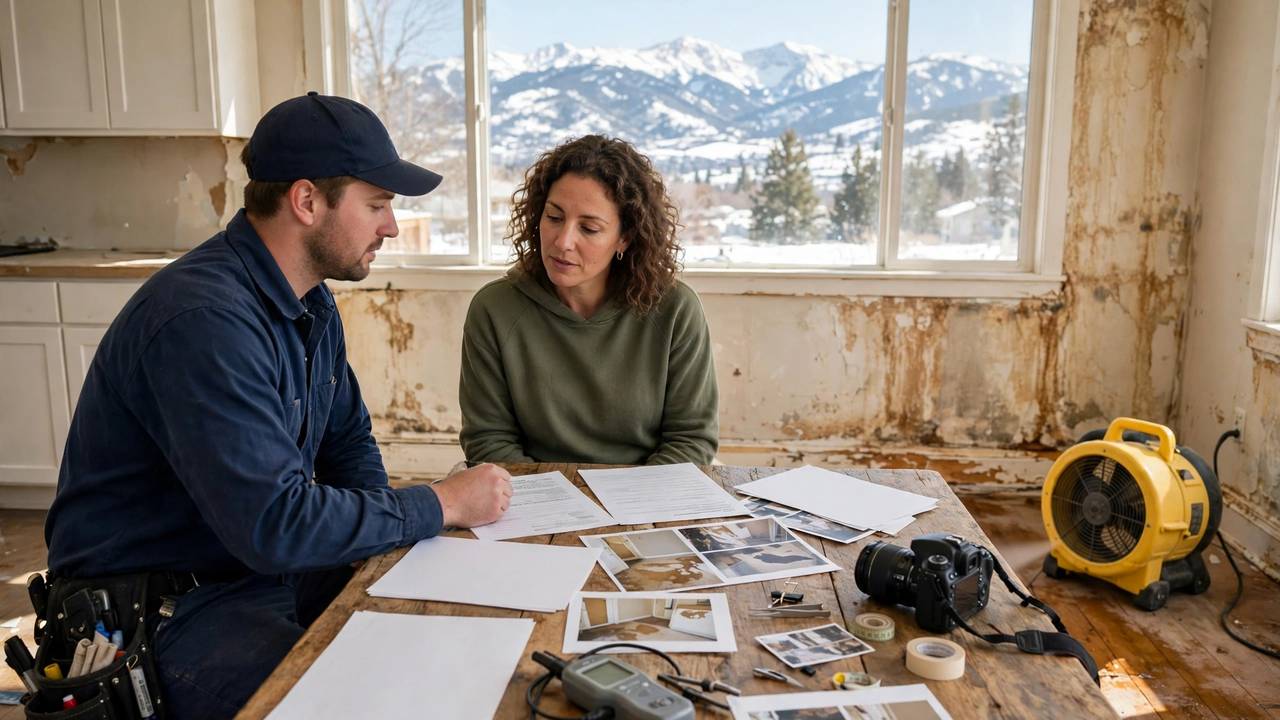
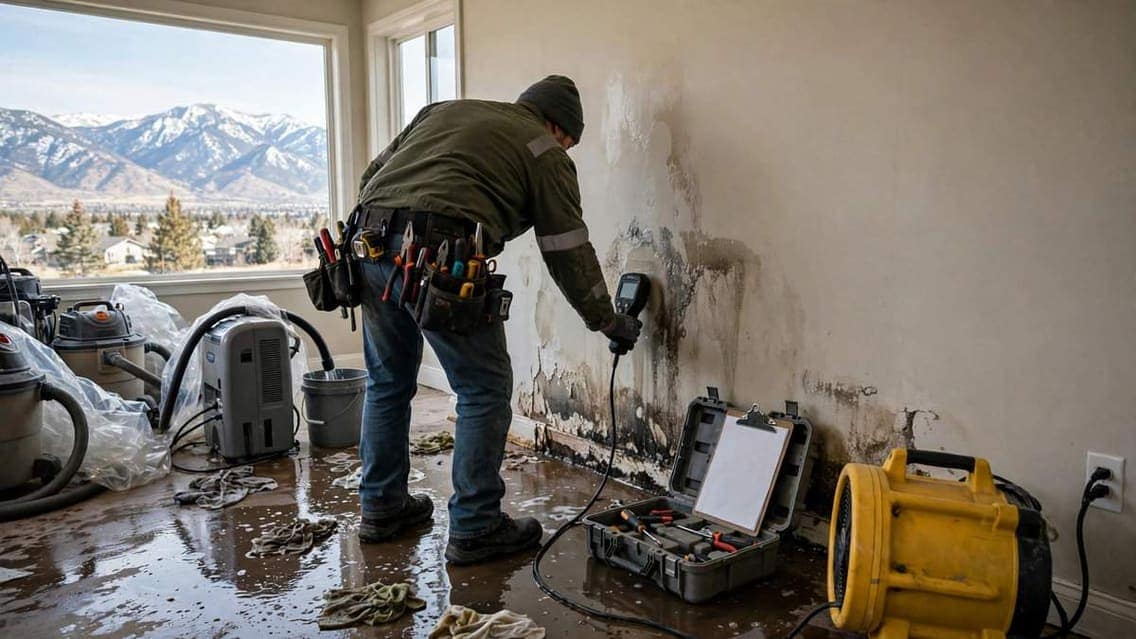
A water damage claim moves faster and goes more smoothly when the damage is documented right from the first hour. We help Pleasant Grove homeowners through a water damage insurance claim in Utah with a crew dispatched immediately to stop the damage, photos and moisture readings of every affected area, and daily drying logs your adjuster can review. This guide explains what Utah policies usually cover, what they usually exclude and how to file step by step.
Does Homeowners Insurance Cover Water Damage in Pleasant Grove, Utah?
Most Utah homeowners policies cover sudden, accidental water damage like burst pipes or failed water heaters, but exclude gradual leaks, groundwater seepage and flooding unless you have extra coverage.
The key word in most policies is sudden. Insurers generally pay for damage that happens all at once from an unexpected event inside the home. They generally do not pay for damage that built up slowly, came from outside water rising or seeping in, or resulted from poor maintenance. Every policy is different, so the wording in your own policy is what decides your claim. This page is general information, not legal or insurance advice.
Sudden vs Gradual Damage: The Rule That Decides Most Claims
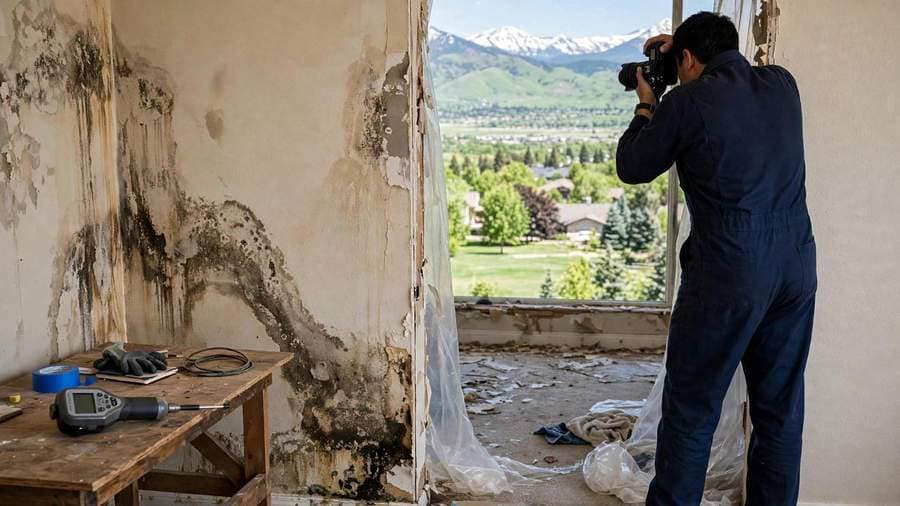
Many policies contain an exclusion for "continuous or repeated seepage or leakage" over a period of time. That clause is behind many denied claims.
- Sudden, usually covered: A pipe bursts overnight. A water heater tank splits. A washer hose blows off. A toilet overflows.
- Gradual, often denied: A shower pan leaked for months. A pinhole leak dripped behind a wall. A roof leak was ignored through several storms.
The faster you find and report a leak, the stronger your position. Moisture readings and photos taken right away help show what happened and when.
Water damage happening right now? Call (385) 346-0377. A crew is dispatched immediately and documentation starts on day one.
What Utah Homeowners Policies Usually Cover
- Burst and frozen pipes, if the home was reasonably heated
- Water heater and appliance failures (the water damage, not the appliance)
- Accidental overflows from tubs, sinks and toilets
- Fire sprinkler discharge
- Water from firefighting
- Roof leaks caused by sudden storm damage
- Emergency water extraction and drying needed to prevent further damage
- Additional living expenses if the home cannot be lived in
What Utah Homeowners Policies Usually Exclude
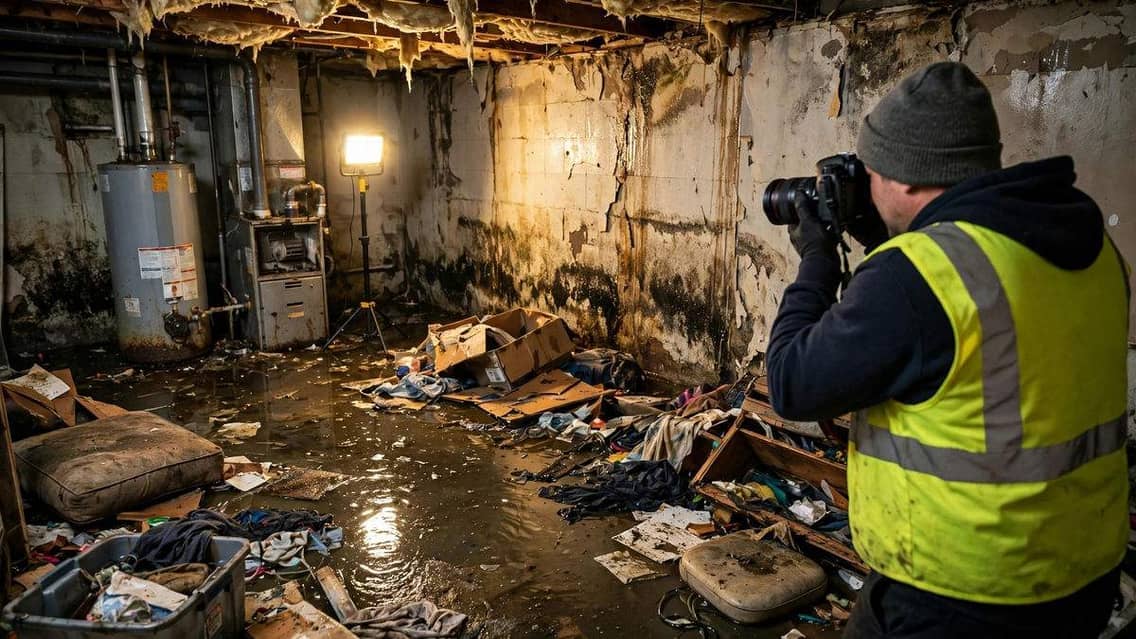
- Groundwater seeping through the foundation
- Surface water and flooding from outside
- Sewer and drain backups, unless you added an endorsement
- Gradual leaks and long-term seepage
- Wear and tear, rust and deterioration
- Damage caused by lack of maintenance
- The cost to replace the broken pipe, appliance or water heater itself
- Mold beyond any limit stated in the policy
Coverage You May Need to Add
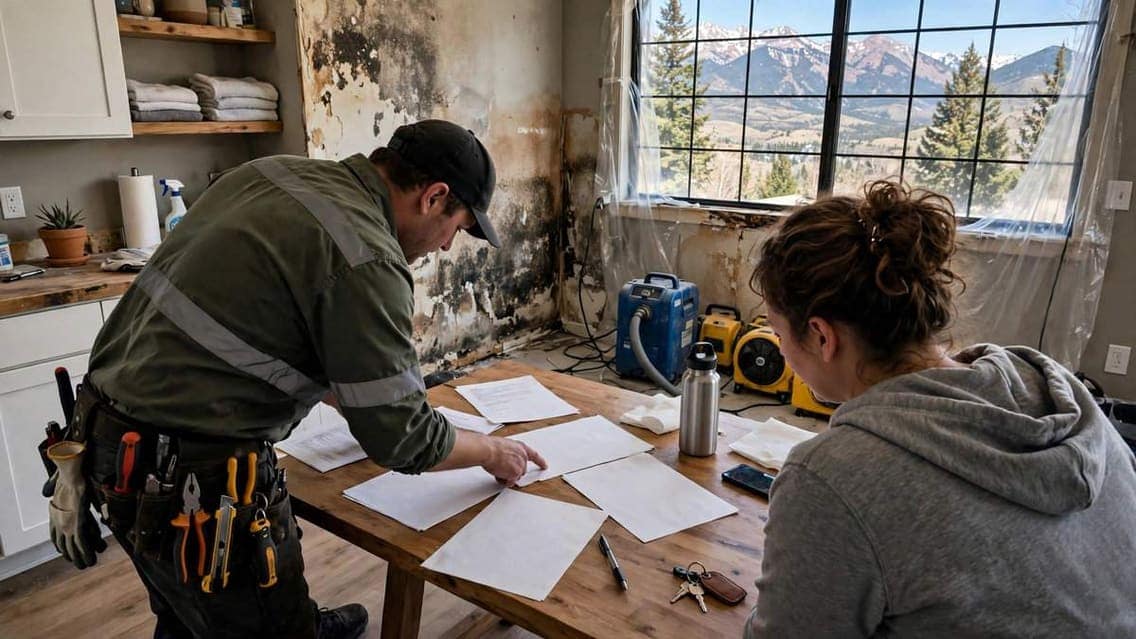
Sewer and Drain Backup Endorsement
In a city known for mature trees and older sewer laterals, this endorsement matters. Without it, a floor drain backup in your basement is usually not covered.
Flood Insurance
Flood insurance through the National Flood Insurance Program covers surface water flooding that standard policies exclude. New policies usually have a waiting period before coverage starts, so it must be purchased ahead of time, not when a storm is coming.
Water Backup and Sump Overflow
Some insurers offer coverage for water that backs up through a sump pump or overflows when the pump fails. It is often bundled with the sewer backup endorsement.
Mold Coverage
Many policies cap mold coverage at a set amount, even when the mold came from a covered water event. Check the limit and ask whether higher coverage is available.
Condo and Renters Policies
Condo owners need an HO-6 policy for interior finishes and belongings, since the HOA master policy usually covers only the structure and common areas. Renters need an HO-4 policy for their belongings and temporary housing.
Which Pleasant Grove Water Problems Are Usually Covered?
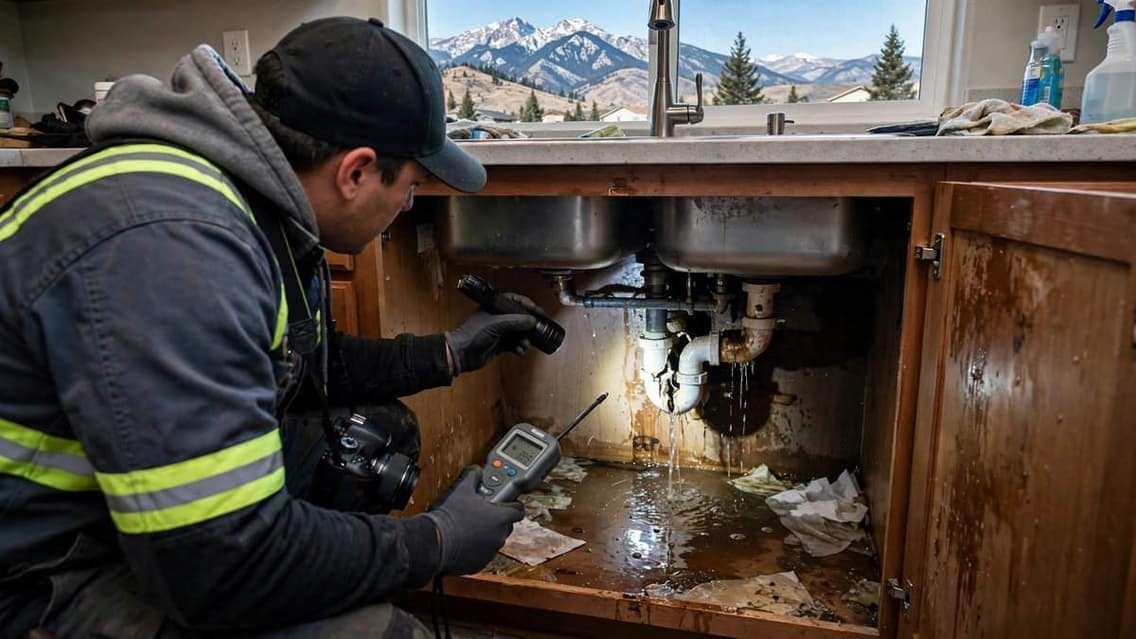
Here is how common local losses are typically treated. Your policy wording always decides.
- Frozen or burst pipe: Usually covered, if the home was heated. See burst pipe water damage.
- Water heater rupture: The water damage is usually covered; the water heater is not. See water heater and appliance leak cleanup.
- Window well flooding from rain or snowmelt: Often excluded as surface water. See window well flooding.
- Snowmelt seeping through the foundation: Usually excluded as groundwater. See snowmelt basement flooding.
- Sewer backup through a floor drain: Covered only with a backup endorsement. See sewage backup cleanup.
- Sprinkler or secondary water line leak outside: Varies by insurer and where the water entered. See sprinkler line leaks into the basement.
- Swamp cooler overflow: A sudden overflow is often covered; a slow leak from a rusted pan often is not. See swamp cooler leak water damage.
- Fire sprinkler burst in a townhome: Usually covered, split between the HOA master policy and the owner's policy. See fire sprinkler pipe burst cleanup.
How to File a Water Damage Claim, Step by Step
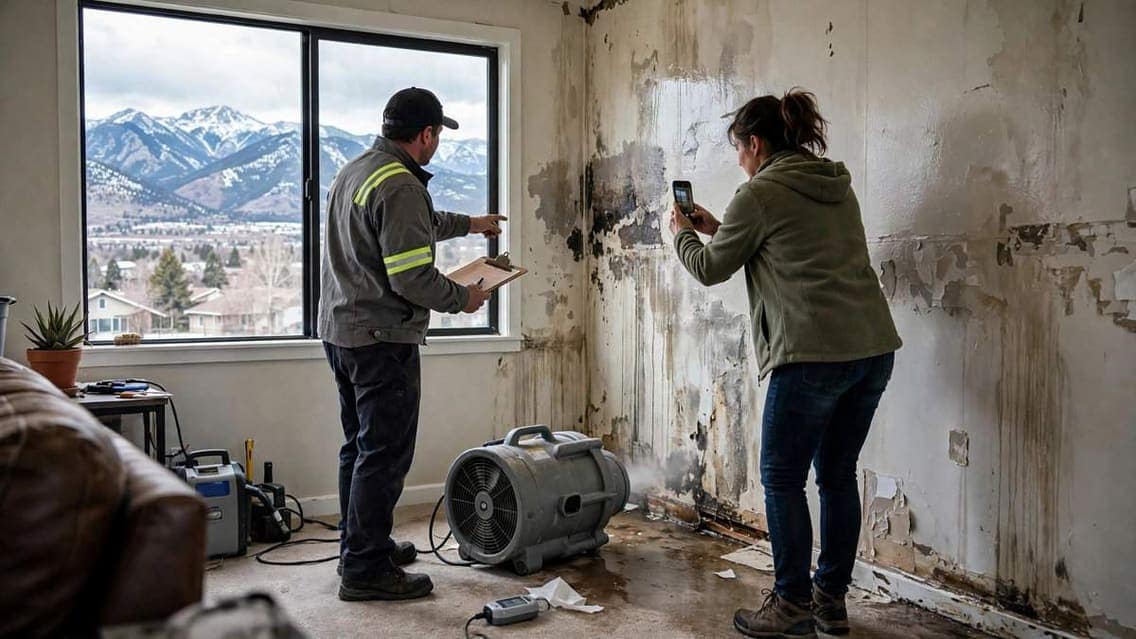
- Stop the water and make the home safe.
- Start mitigation right away. Most policies require you to take reasonable steps to prevent more damage, so extraction and drying should not wait for the adjuster.
- Document everything with photos and video before anything is removed.
- Call your insurer or file online, and write down your claim number and adjuster's name.
- Keep damaged items until they are photographed and listed, unless they are a health hazard.
- Save every receipt for emergency work, supplies, meals and lodging.
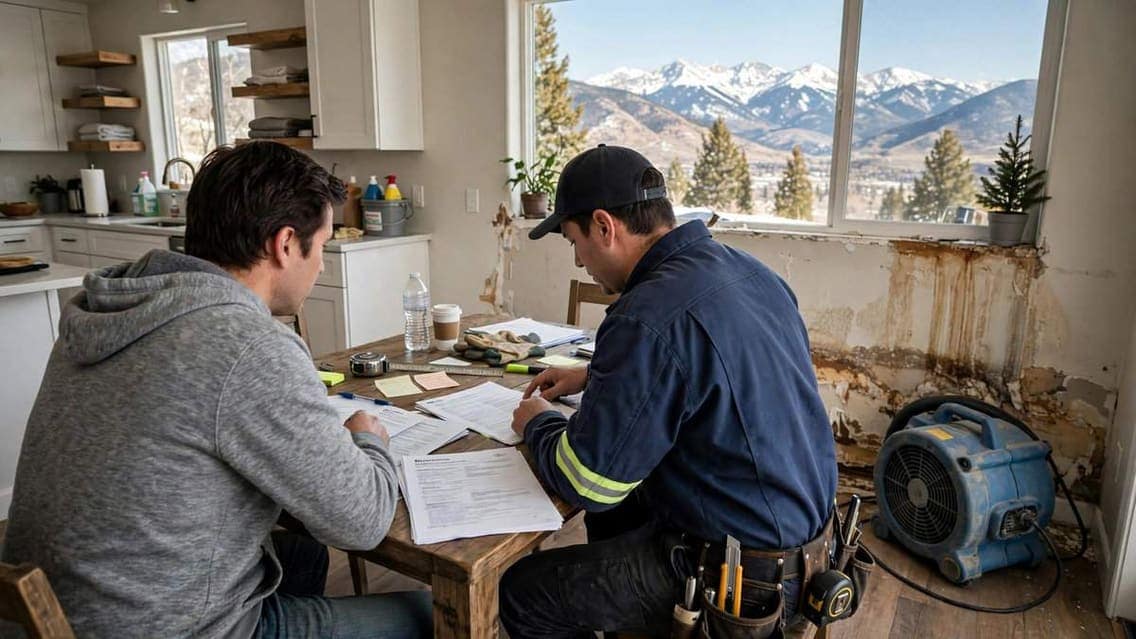
- Meet the adjuster and share the moisture readings, photos and drying logs.
- Review the estimate carefully before signing anything, and ask questions about anything missing.
Documenting Damage for Your Adjuster
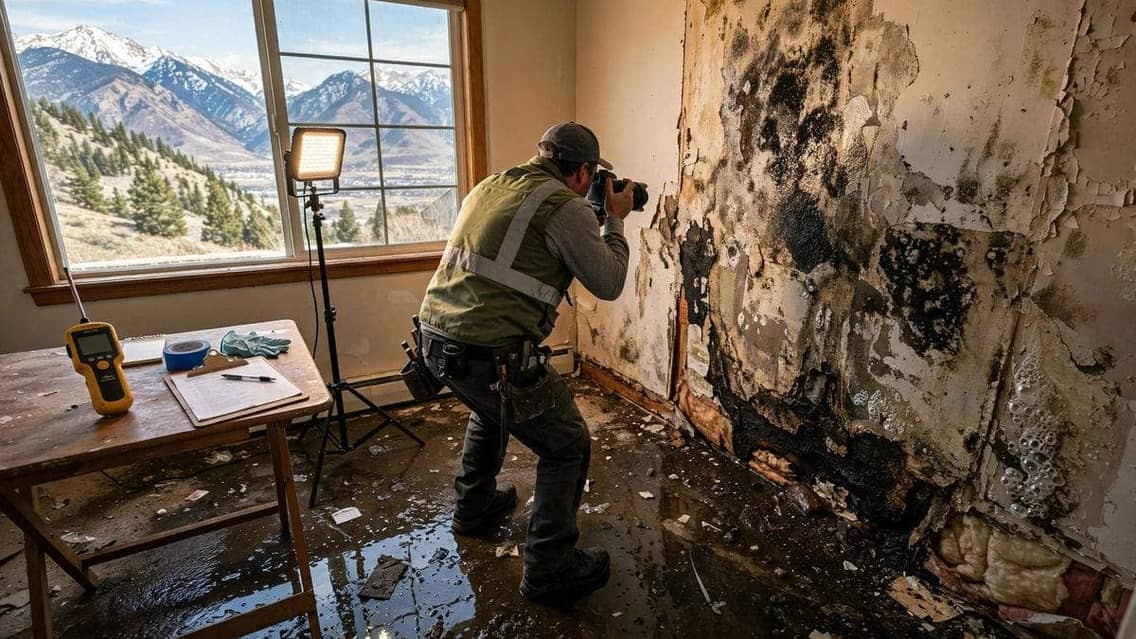
Good documentation is the difference between a smooth claim and a long back-and-forth. Every job includes:
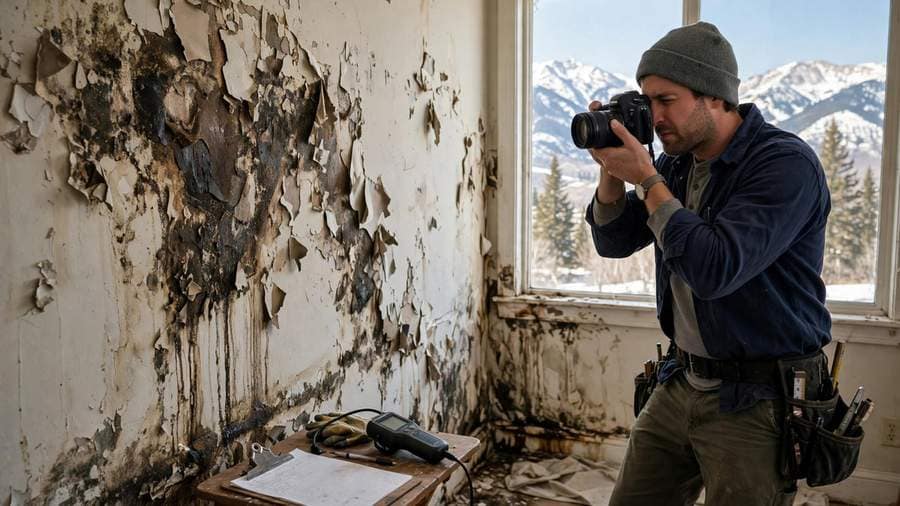
- Photos and video of the source, the water and every damaged area
- Moisture readings and maps showing how far water traveled
- Daily drying logs proving the structure was dried properly
- A list of every material and item removed and why
- The date and time the loss was discovered and work began
Understanding Your Payout
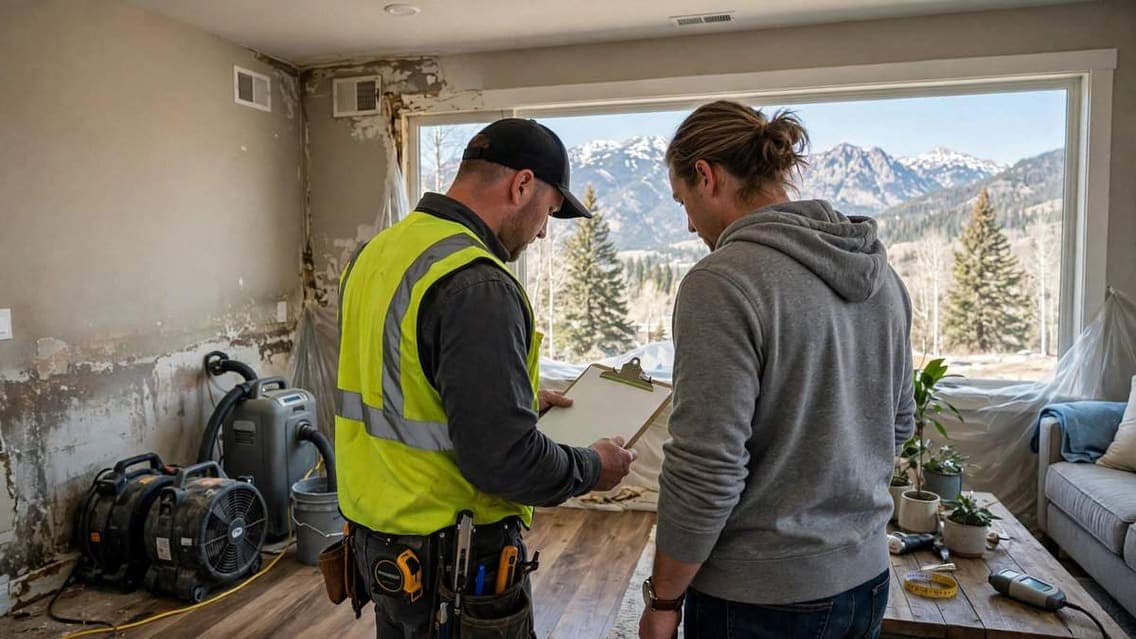
- Deductible: The amount you pay before coverage starts. It is subtracted from the claim payment.
- Actual cash value vs replacement cost: Actual cash value pays what damaged items were worth after depreciation. Replacement cost pays what it costs to replace them new. Your policy says which applies.
- Depreciation: On replacement cost policies, part of the payment may be held back until the item is actually replaced.
- Loss of use or additional living expenses: Pays for a hotel, meals and other extra costs if you cannot stay in the home.
Mistakes That Can Hurt Your Claim
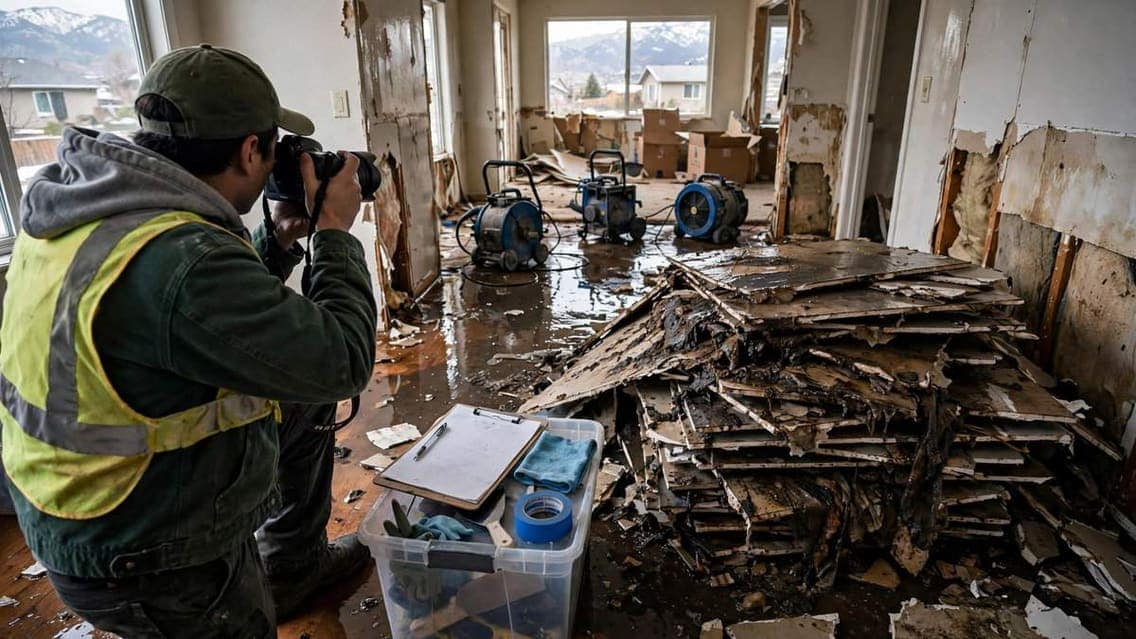
- Waiting days to report the loss or start drying
- Throwing out damaged items before they are photographed
- Drying with box fans and no moisture readings, leaving no proof the job was done right
- Hiding or downplaying a known slow leak
- Signing a settlement or release without reading it
- Starting repairs before the adjuster has seen the damage
If Your Water Damage Claim Is Denied
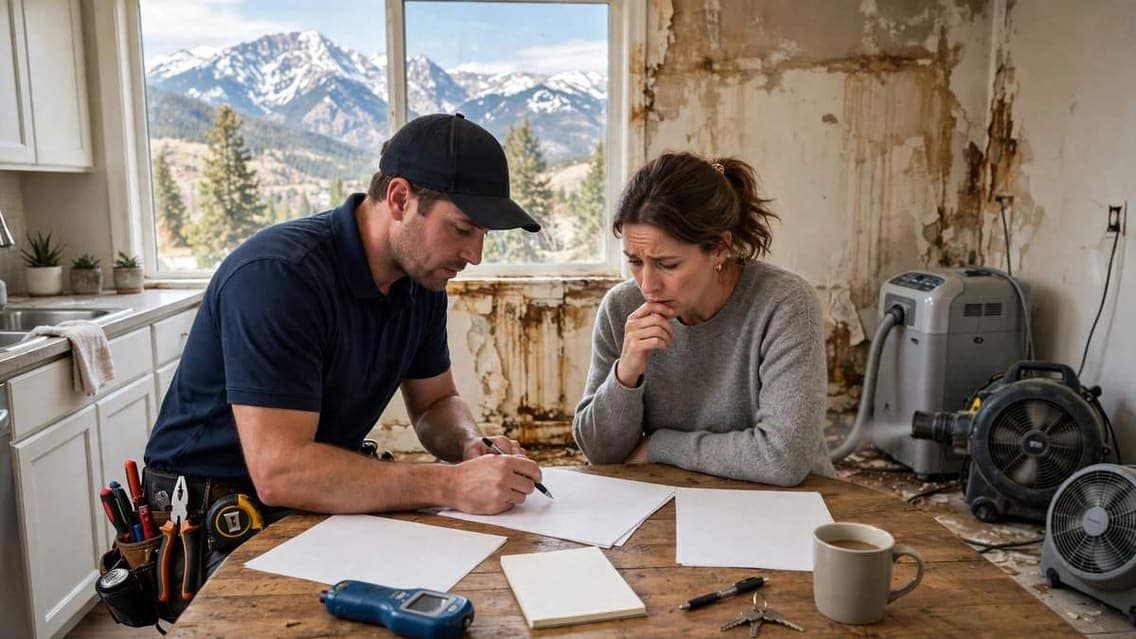
Ask for the denial in writing, with the specific policy language it relies on. Provide any additional photos, readings or reports that support your claim, and ask for a re-inspection. If you still disagree, you can file a complaint with the Utah Insurance Department, or consult a public adjuster or an attorney who handles insurance disputes.
Can You Choose Your Own Restoration Company?
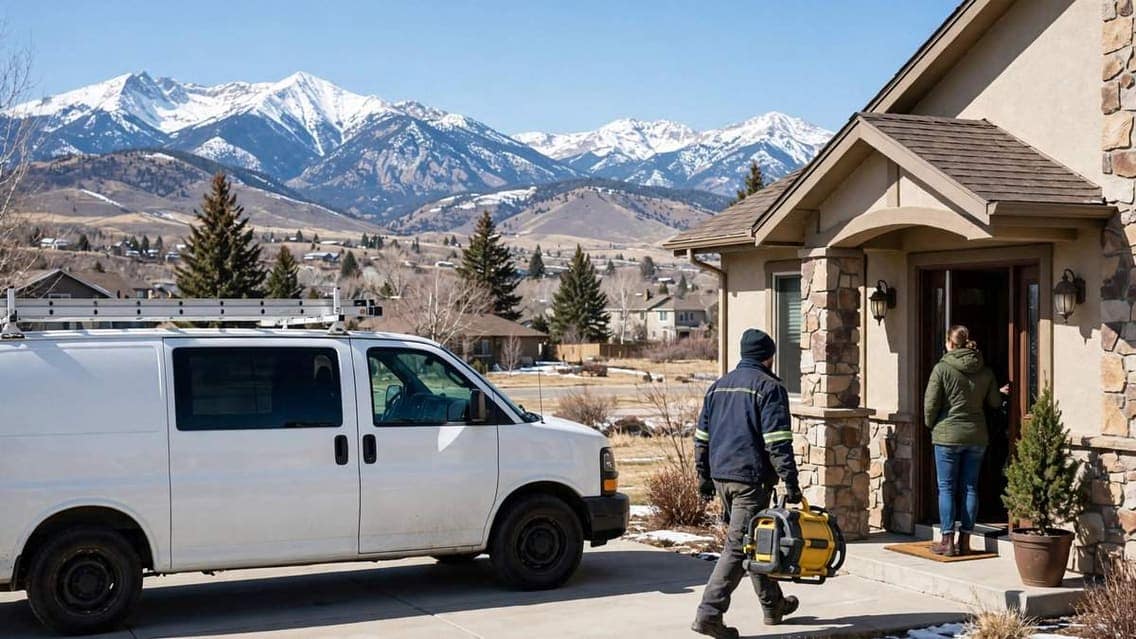
In most cases, yes. Your insurer may suggest a preferred vendor, but you are generally free to choose who works on your home. Check your policy, and let your insurer know who you are using.
Water Damage Insurance Claim FAQs
Should I call my insurance company or a restoration company first?
If water is still spreading, call for emergency cleanup first so damage stops growing, then report the claim the same day. Insurers expect you to prevent further damage, and fast mitigation with documentation supports your claim.
Will a water damage claim raise my premium?
It can. Insurers may raise rates or apply surcharges after claims, especially multiple water claims. For small losses close to your deductible, some homeowners choose to pay out of pocket. Ask your agent how a claim may affect your policy.
How long do I have to file a water damage claim?
Most policies require prompt notice of a loss, and some set specific deadlines. Waiting can give the insurer a reason to deny the claim or argue the damage got worse because of the delay. Report it as soon as possible.
Does insurance pay for a hotel during water damage repairs?
Often, yes. Loss of use or additional living expenses coverage usually pays for a hotel, meals and other extra costs if the home cannot be lived in because of a covered loss. Keep every receipt.
Is mold covered by homeowners insurance in Utah?
Mold is usually covered only when it results from a covered sudden water event, and many policies limit mold coverage to a set dollar amount. Mold from long-term leaks or humidity is usually excluded. See mold remediation.
Do I need a public adjuster for a water damage claim?
Most water damage claims are handled directly with the insurer's adjuster. A public adjuster, who works for you and is paid a share of the settlement, can help with large or disputed claims. Good documentation from the start often makes one unnecessary.
Get Claim-Ready Water Damage Help in Pleasant Grove, UT
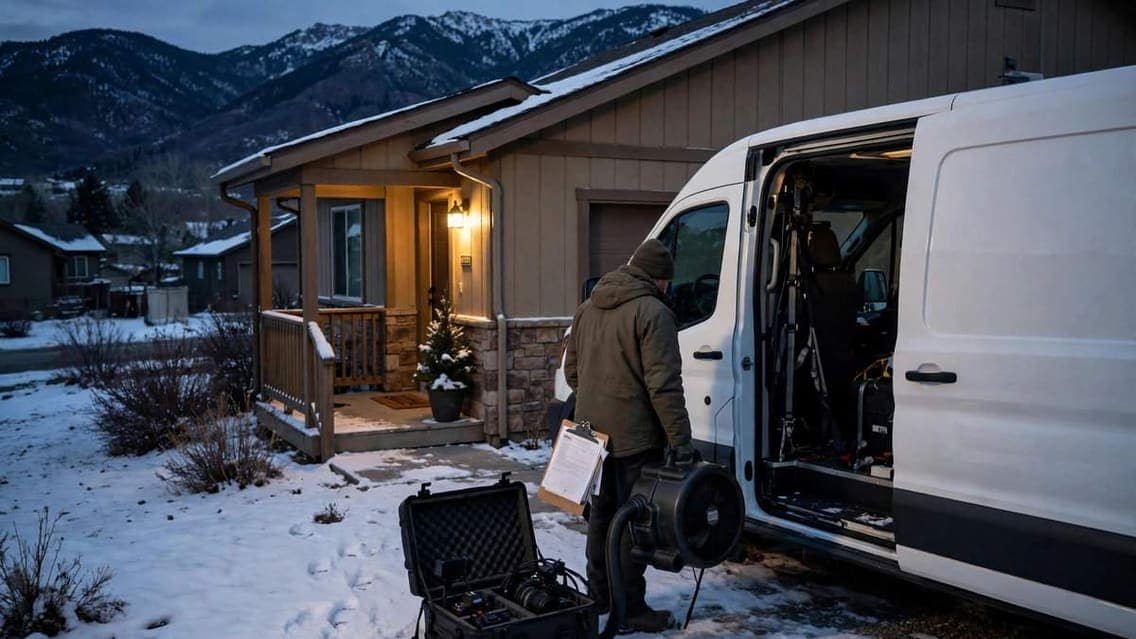
The best thing you can do for your water damage insurance claim in Pleasant Grove is to stop the damage fast and document it properly. For homeowners insurance water damage in Utah, sudden vs gradual damage questions and water damage claim help across Pleasant Grove, Lindon, Alpine, Vineyard and American Fork, a crew is dispatched immediately.
Call (385) 346-0377 now for help with a water damage insurance claim in Pleasant Grove or homeowners insurance water damage in Utah. A crew is dispatched immediately.
Call (385) 346-0377 now for water damage Pleasant Grove 84062 help. A crew is dispatched immediately.
(385) 346-0377Get 24/7 Emergency Water Damage Help in Pleasant Grove, UT
Call (385) 346-0377 now for water damage Pleasant Grove 84062 help. A crew is dispatched immediately.